DRAGONS
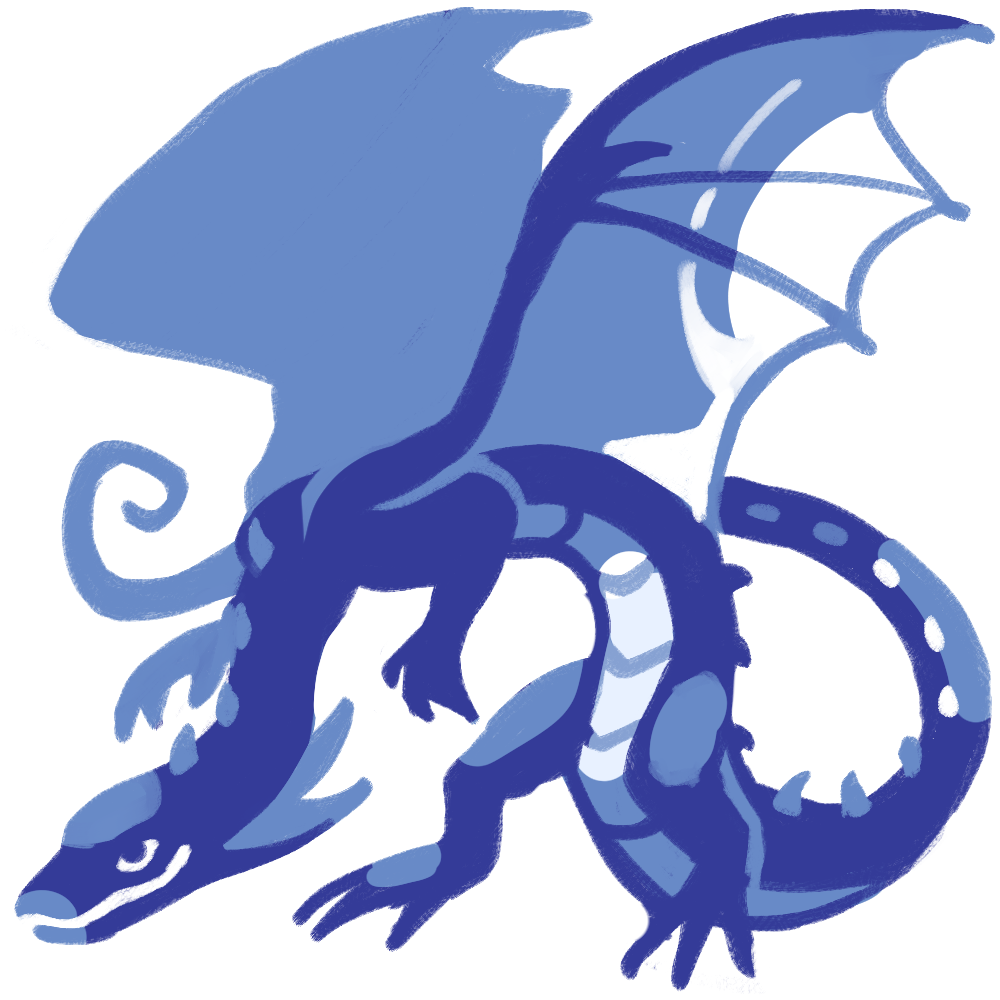
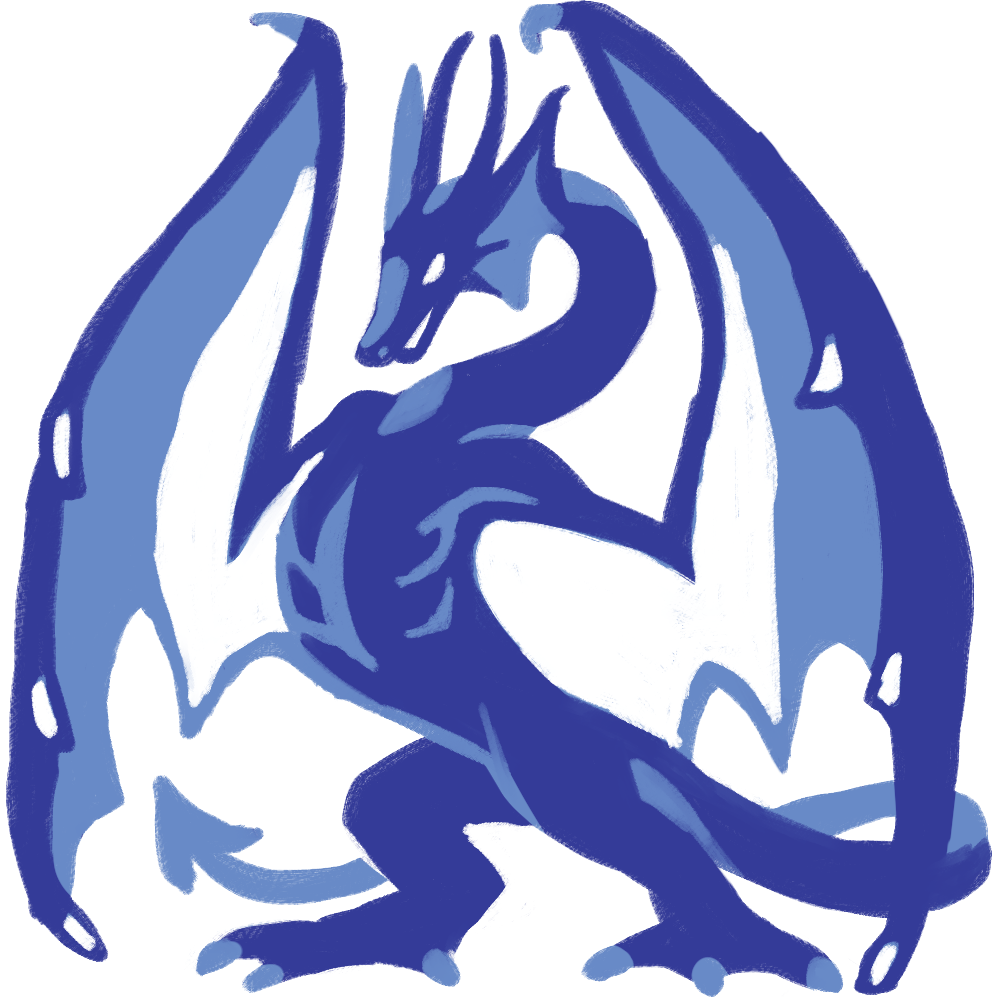
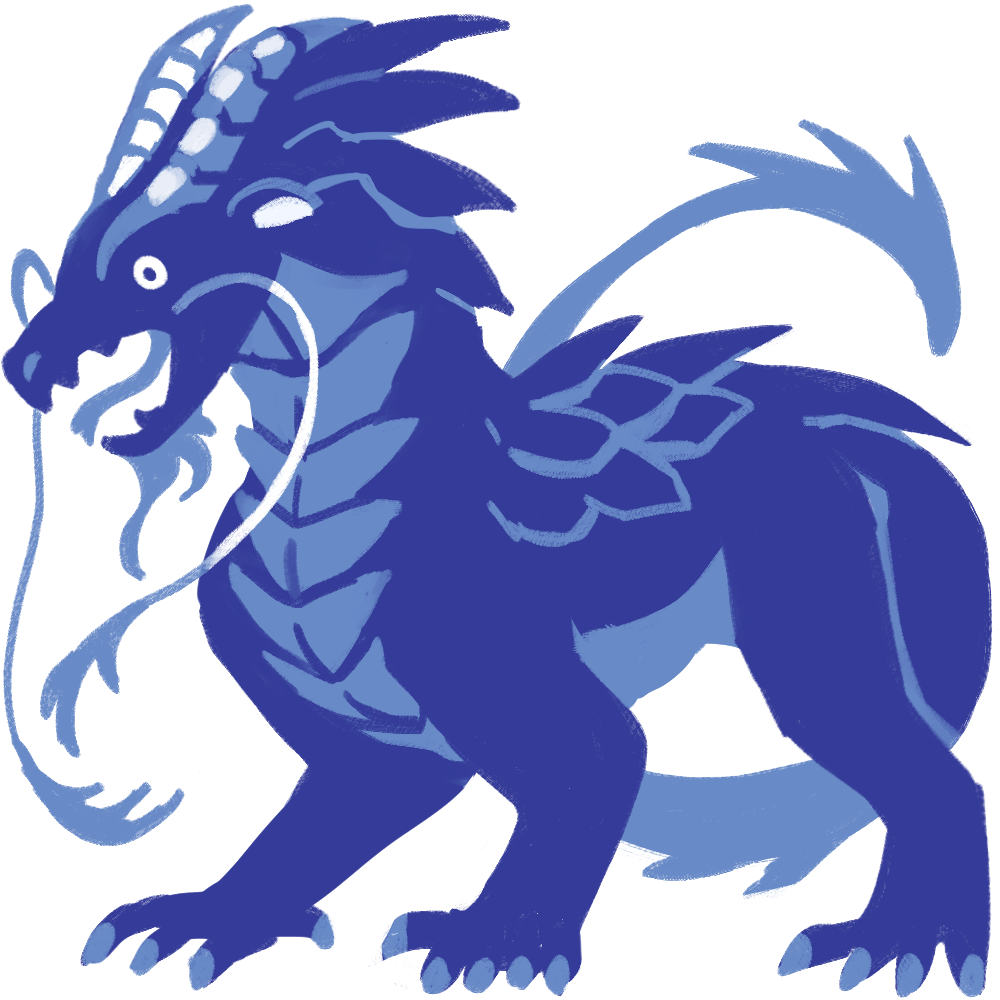
Dragons are one of the main five kinds of Mythicals/Fels. The majority of Dragon Mythicals live on an island to the north called Wyrmott. They are the largest and most numerous kind of Mythical. Some consider Dragons to be the closest in nature to Earthlings due to their shorter lifespans and higher fragility.
DEFINITION
Dragons are large reptilian creatures. Some Dragons resemble existing reptile species, while others can also resemble crocodilians or non-feathered prehistoric reptiles/dinosaurs. Sometimes, the body plan of a Dragon resembles a mammal more than it does a reptile. Some of their body shapes are completely unique as well.
Size and Lifespan for MYTHICALS:
- Adult Min. Weight: 5,000 kg / 11,000 lbs
- Adult Max. Weight: 50,000 kg / 110,000 lbs
- Adult Min. Height: 3 m / 9’10”ft (from the shoulder)
- Adult Max. Height: 7 m / 22’11”ft (from the shoulder)
- Lifespan Maximum: 130 years (100 years is average)
BEAST FORM Size for FELS:
- Adult Min. Weight: 200 kg / 440 lbs
- Adult Max. Weight: 1000 kg / 2,200 lbs
- Adult Min. Height: 125 cm / 4’1” ft (from the shoulder)
- Adult Max. Height: 225 cm / 7’4” ft (from the shoulder)
Features Dragons can have:
- Small tufts of fur/feather-like scales (cannot be completely furred and cannot have true feathers). Examples include cheek-fluff, elbow fluff, manes, fluffy eyebrows, etc.
- Whiskers.
- Ears (usually smaller. Can have internal fur but not be fluffy externally like mammal ears).
- Horns and/or spikes.
- Snake or lizard-like eyes (no eyelids or double eyelids), or normal eyes.
- Any features found on reptiles, crocodilians, turtles/tortoises, and/or prehistoric reptilian/non-feathered dinosaurs.
- Frills and decorative appendages (cannot have things like functional fish-like fins).
- Webbed wings (cannot have feathers or fluff).
- Slightly coloured noses (cannot have dog/cat-like noses).
- Feet resembling bird feet (cannot be fully bird-like).
- Hand-like front talons with opposable thumbs.
INCLUSIONS
A few different body plans are described under the Dragon umbrella. These are not considered to be Aberrants, just different variants of Dragon.
- WYVERNS: Dragons who have winged front limbs when in their Beast Form. They usually have larger wings than the average Dragon.
- DRAKES: Dragons without wings. Drakes tend to be stronger and larger than the average winged Dragon.
- KAPPAS: More turtle-like looking dragons with a hard back or shell.
STAT PROFILE
Dragons have their own unique strengths and weaknesses. Their average stat profile is outlined below.
CONLOW Dragons are known to have the lowest constitution of any mythical creature. While their scales may look tough, Dragons often have soft skin and a plethora of weak points. Their healing and defensive profile is similar to that of an Earthling– so they are just as prone to poison, infection, and injury. There is speculation that Dragons may have slightly more resilience than Earthlings, however this is heavily debated. The general consensus is that if an equivalent injury would kill an Earthling, it would also kill a Dragon. The only difference is that dragons are much larger, and therefore, harder to fatally wound.
STRHIGH Dragons are the largest of the Mythicals, and are therefore, quite powerful. Dragons are known to be able to rip small houses from the ground with just their bare hands/claws. It is advised to avoid physical combat with a Dragon.
MAGAVERAGE Dragons have an average aptitude for magic. Their magic can be powerful, but it typically isn’t overwhelming. It can realistically be overcome with defensive and tactical measures. Dragons usually carry Soul Magic.
DEXEXCEPTIONAL Dragons are the fastest of all Mythical Creatures. Of all those that can fly, Dragons reign supreme in both speed and dexterity in the skies. Even those without wings are lithe, precise, and slippery. Trapping a Dragon is nearly impossible due to their unmatched ability to find and exploit even the smallest escape route. Oftentimes the hardest aspect of trying to fight a Dragon is simply being able to land a hit. Dragons seem to have almost mind-reading reflexes.
OTHER NOTES/TRIVIA
- Dragons are (on average), the largest of all Mythicals.
- Dragons have the highest population count of all Mythicals. It is estimated that around 5000 individuals exist at this point in time.
- Dragons have the shortest lifespan of all mythicals, with a maximum of 130 years.
- Dragons seem to have a strange rivalry with Lycanthropes— they are considered to be a Dragon’s natural enemy. Battling with Dragons, Lycanthropes will usually win due to their natural advantages (high constitution to stave off attacks, and a high attack stat to deliver lethal damage).
UNICORNS
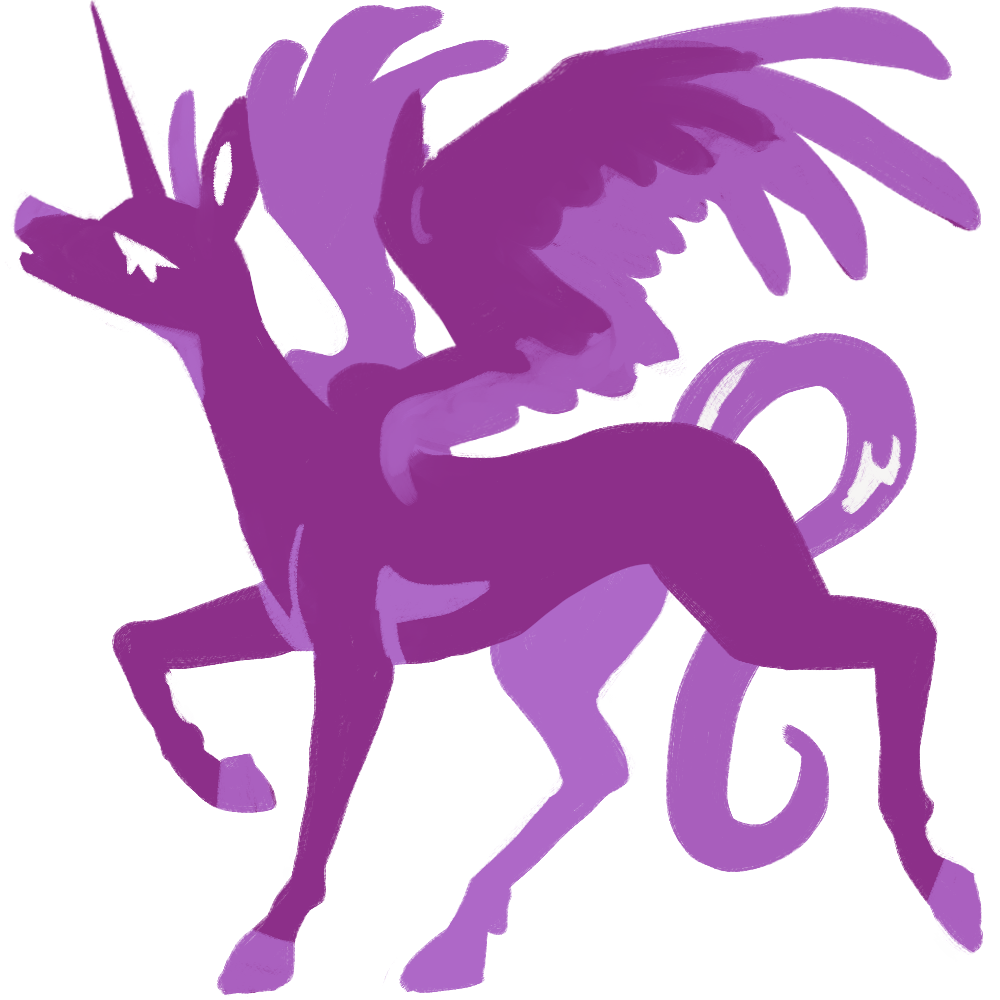
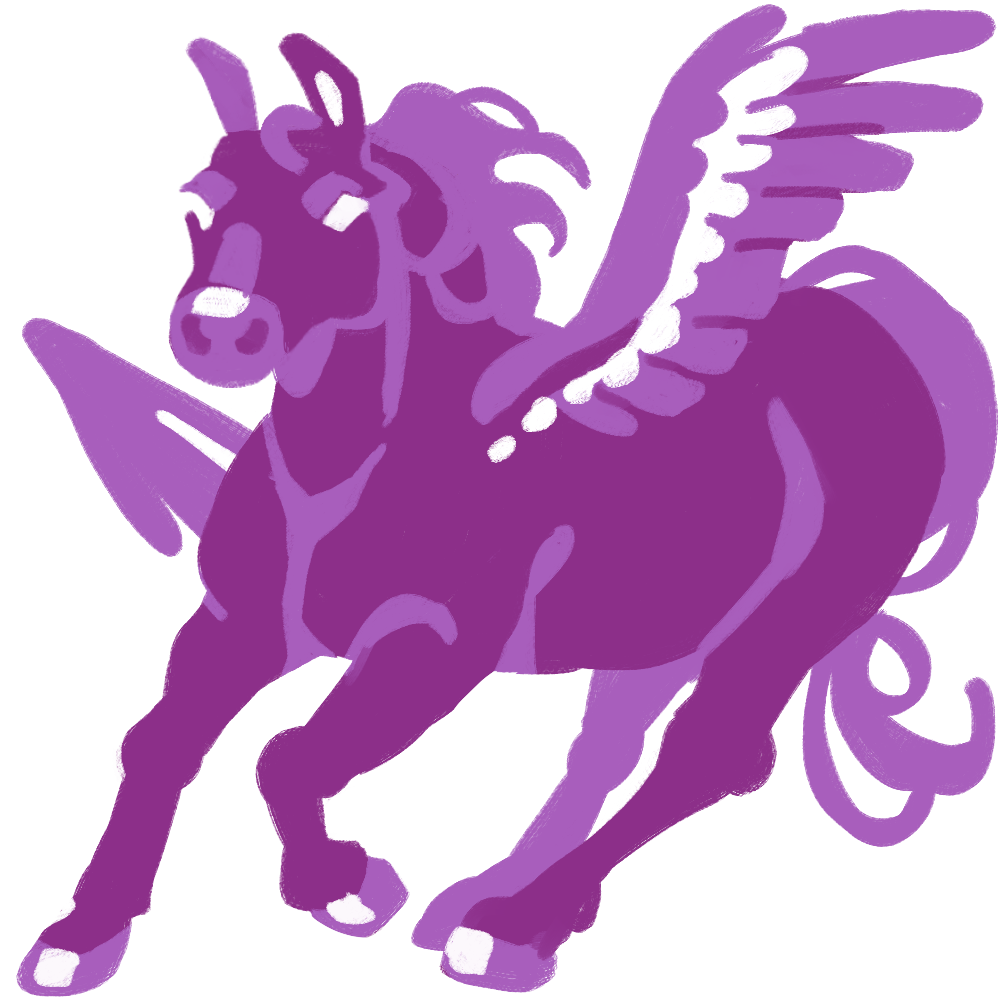
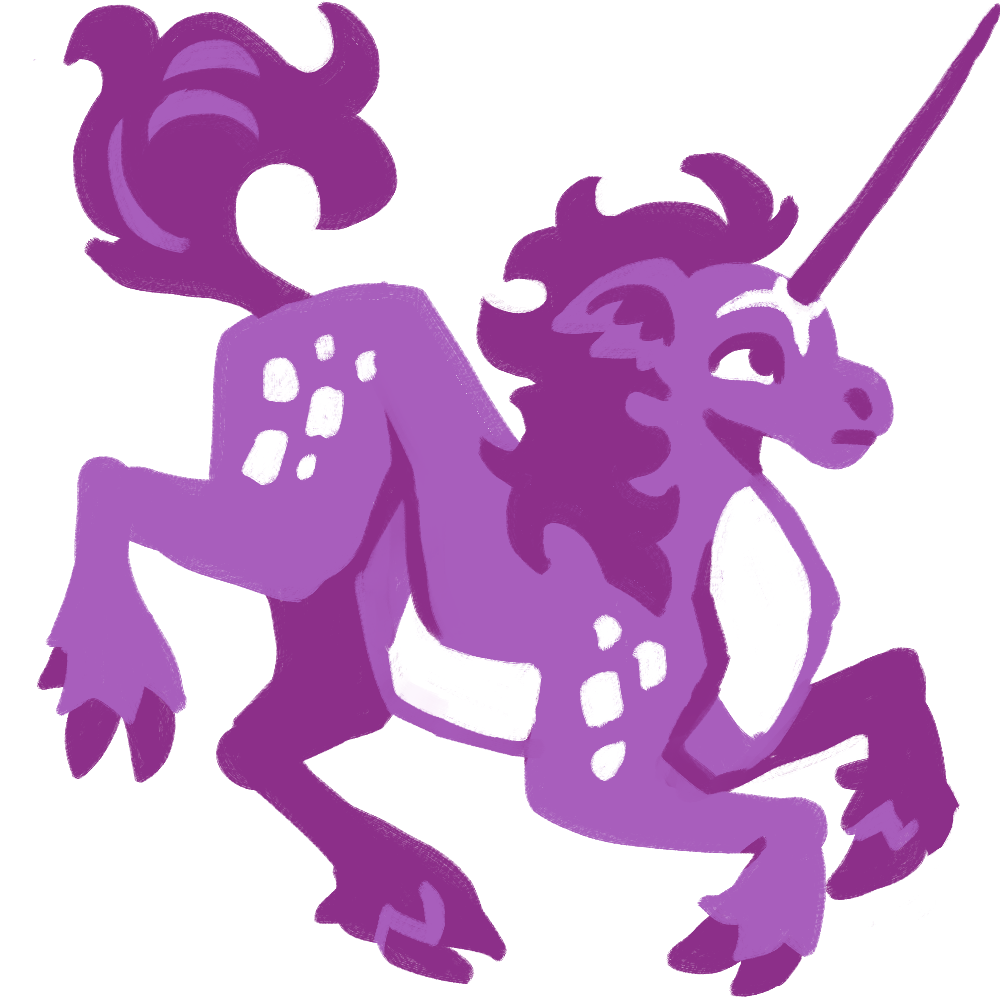
Unicorns are one of the main five kinds of Mythicals/Fels. The majority of Unicorns live in a forest haven to the south-east. Unicorns are the most long-lived Mythicals, but they also have the lowest population. Unicorns are known for being the hardest kind of Mythical to kill— only a few successful attempts have ever been recorded.
DEFINITION
Unicorns are horse/deer/goat like creatures with a horn protruding between their eyes or on their forehead. Some Unicorns are indistinguishable from horses anatomy-wise (except for their horn), while others have a strangely ‘petite’ look to them, appearing smaller and more ‘dainty’. This body plan is often compared to deer/fawns due to the similarities. Some also look like small goat-like creatures.
Size and Lifespan for MYTHICALS:
- Adult Min. Weight: 50 kg / 110 lbs
- Adult Max. Weight: 1,000 kg / 2,200 lbs
- Adult Min. Height: 75 cm / 2’5”ft (from the shoulder)
- Adult Max. Height: 175 cm / 5’9”ft (from the shoulder)
- Lifespan Maximum: 500 years (450 years is average)
BEAST FORM Size for FELS:
- Adult Min. Weight: 30 kg / 66 lbs
- Adult Max. Weight: 600 kg / 1,300 lbs
- Adult Min. Height: 65 cm / 2’1”ft (from the shoulder)
- Adult Max. Height: 125 cm / 4’1”ft (from the shoulder)
Features Unicorns can have:
- Tufts of fur on their chin, cheeks, legs, elbows, and/or tail.
- Long lion-like tails.
- A smaller or more ‘petite’ build (The Last Unicorn is a good example)
- Feathered wings (cannot be webbed, but can have some fluff)
- Permanent adornments (e.g. a gem embedded onto their head)
- A long horn protruding from between their eyes, or on their forehead. Can come in different shapes (e.g. can be curved, have divots, etc.)
- Smaller horns/spikes in addition to their main horn (they must still have a distinct ‘main’ horn, if they do have any extra small horns). Can also include nose spikes, similar to a rhino.
INCLUSIONS
A few different body plans are described under the Unicorn umbrella. These are not considered to be Aberrants, just different variants of Unicorn.
- PEGASI: Unicorns without a horn or with a small horn. They always have feathered wings.
- ALICORNS: Unicorns with a distinct horn and wings.
STAT PROFILE
Unicorns have their own unique strengths and weaknesses. Their average stat profile is outlined below.
CONEXCEPTIONAL TW: mention of injuries and decapitation. Unicorns are known to be the most durable Mythicals. Unicorns' wounds heal extremely quickly, and they can continue living even if they lose multiple body-parts and/or organs. Unicorns can regenerate any part of their body provided some of the base cells remain intact. The only part of their body that they struggle to regenerate is their brain (however some regeneration is still possible). Limbs can be regenerated no matter how much is lost.
Unicorns can also reattach body parts. A decapitated Unicorn, for example, is able to survive (along with its body) for a prolonged period of time. The two parts can heal and re-attach if placed near each other.
On top of all this, Unicorns have extremely thick skin— substantive force is needed to inflict them with wounds. They are resistant to both blunt force, magic, and the elements (such as fire, ice, and electricity).
Unicorns also appear to have a dulled sense of pain— they seem to have a more subdued reaction to injury when compared to other Mythicals.
STRAVERAGE While stronger than the average Earthling, Unicorns are not as physically powerful as other Mythicals. They can lift fallen trees and moderate sized boulders, but struggle with anything heavier. They are not great at throwing objects long distances.
MAGHIGH Unicorns have a strong aptitude for magic, and can expel large amounts of it at once. Their magical prowess contributes to the difficulties in slaying them. Unicorns can often slowly whittle down their opponents before they sustain enough damage themselves, or overwhelm them with strong displays of magic.
DEXLOW For creatures that resemble horses, Unicorns are surprisingly slow. They often act as immovable objects— rarely dodging any incoming attacks and taking everything head on while slowly making progress towards their destination. They can run, but a Unicorn’s gait is slightly lower than an Earthling’s top speed.
OTHER NOTES/TRIVIA
- Unicorns are (on average), the smallest of all Mythicals (although they are close with Griffins)
- Unicorns have the lowest population count of all Mythicals. It is estimated that around 150 individuals exist at this point in time.
- Unicorns have the longest lifespan of any Mythical.
- Unicorns are considered to be the hardest Mythical to kill.
- Because Unicorns live so long, have a low population, and are hard to kill— sourcing Unicorn parts is extremely hard and almost impossible. Many parts are obtained by robbing the graves of Unicorns that have died due to old age. These parts are unfortunately weaker than those obtained from young Unicorns.
- Unicorns are the only kind of Mythical that lacks hands, and therefore, opposable thumbs. They move objects with Telekinesis. Not much is known about this ability or whether it has its own magic classifications. It can be used regardless of what magic a Unicorn possesses. Note: Fels CANNOT utilize this telekinesis ability.
- Unicorns are also the only Mythical that can summon Celestial Robes. They often adorn themselves with mystical fabrics and jewelry.
GRIFFINS
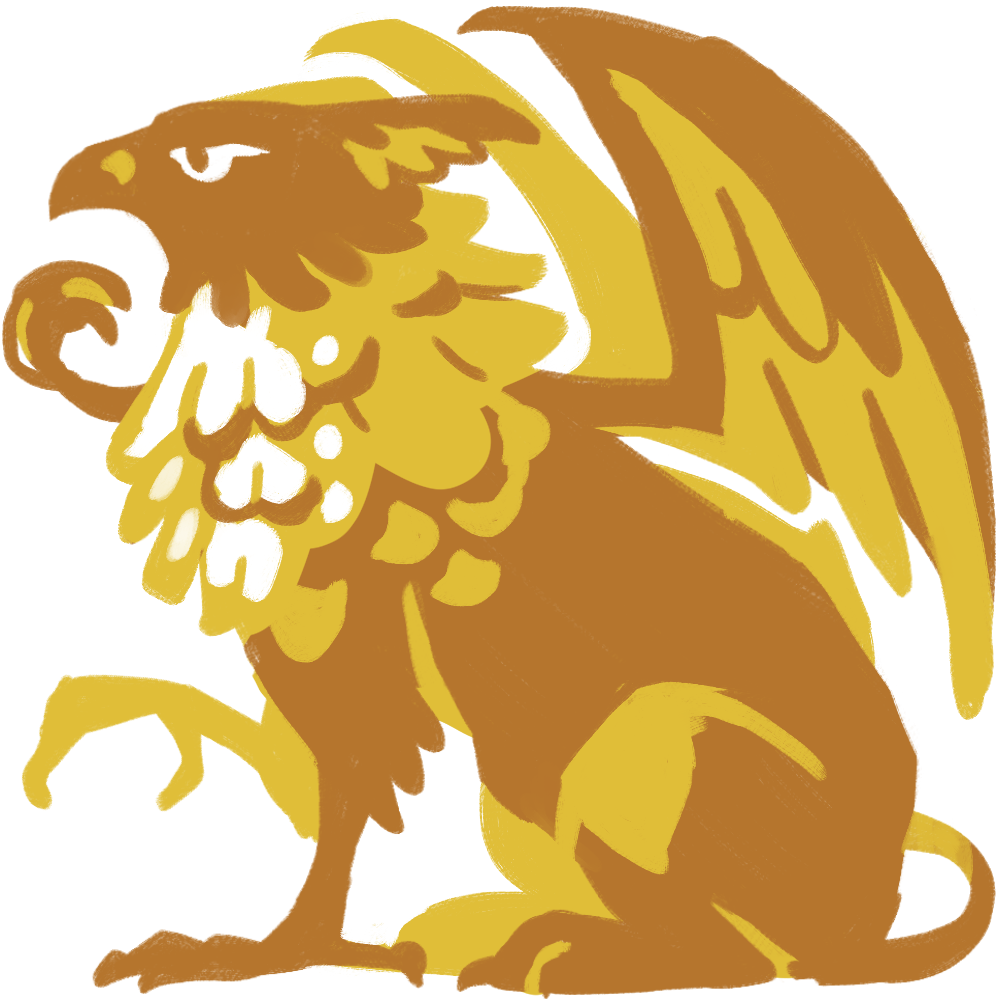
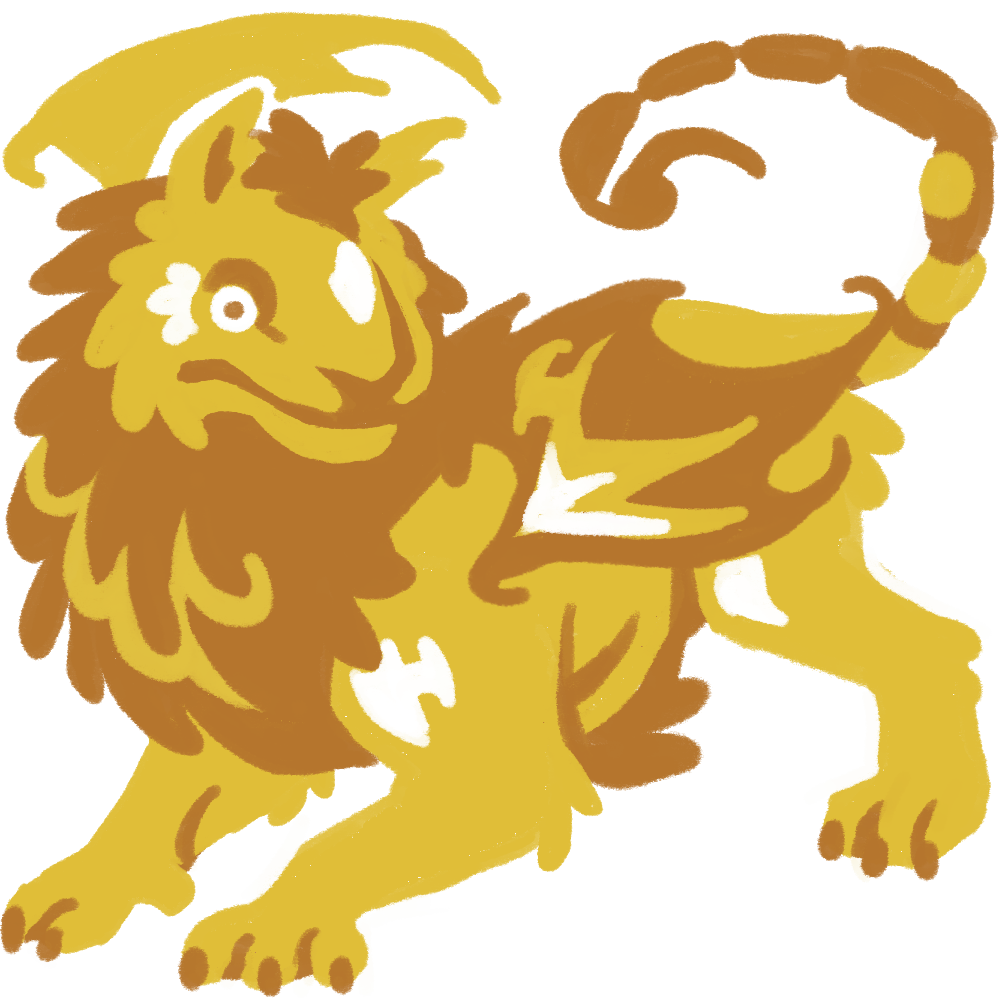
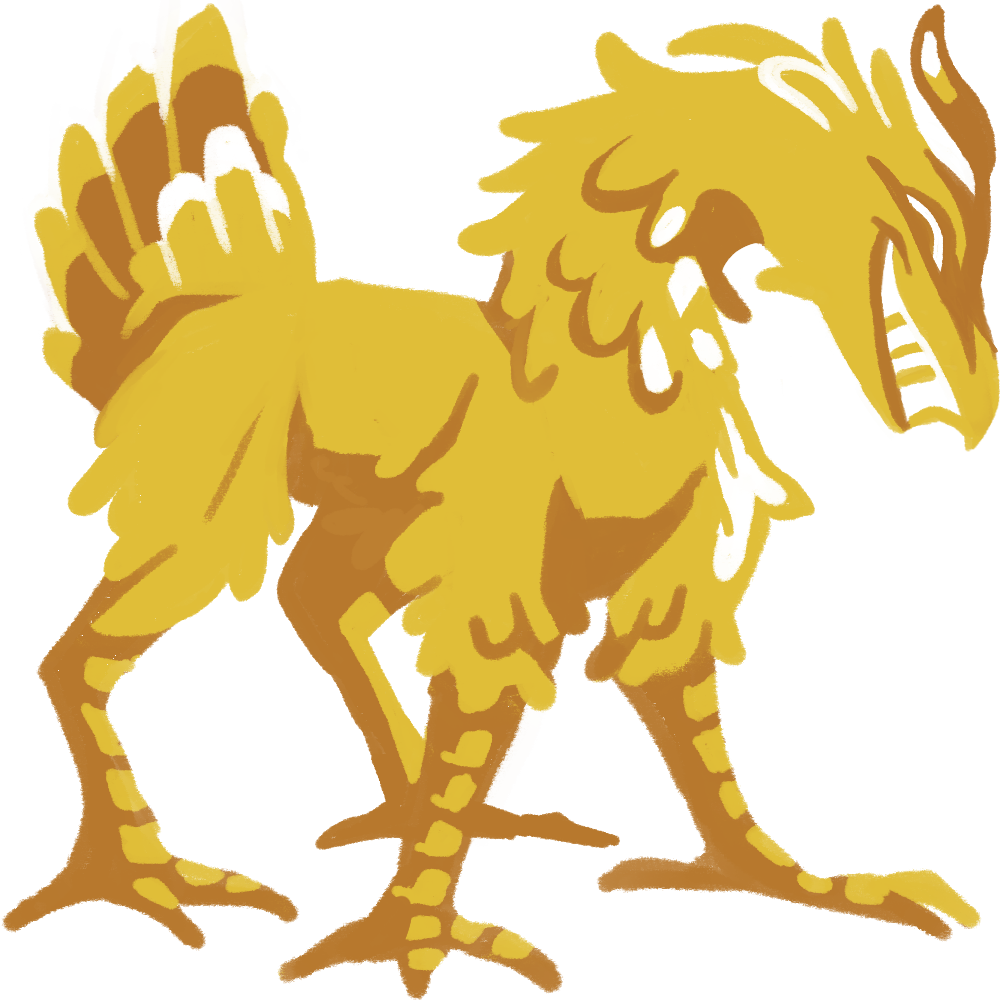
Griffins are one of the main five kinds of Mythicals/Fels. The majority of Griffins reside in a large city to the south, however unlike other Mythicals, their range is far more expansive. Smaller populations of Griffins dot the areas around their central city. Griffins are considered to be the masters of magic, and some even consider them to be the closest to Earthlings due to their tendency towards Divergent behaviour.
DEFINITION
Griffins are creatures that appear to be a hybrid between a bird and a lion, with a bird-like head, and a large, cat-like body, sometimes adorned with feathered or webbed wings. Griffins can have traits from different species of birds, as well as traits from different species of large felid. There are a few other weird traits that are seen to manifest in Griffins as well.
Size and Lifespan for MYTHICALS:
- Adult Min. Weight: 200 kg / 440 lbs
- Adult Max. Weight: 1,500 kg / 3,300 lbs
- Adult Min. Height: 1 m / 3’3”ft (from the shoulder)
- Adult Max. Height: 225 cm / 7’4”ft (from the shoulder)
- Lifespan Maximum: 200 years (150 years is average)
BEAST FORM Size for FELS:
- Adult Min. Weight: 60 kg / 130 lbs
- Adult Max. Weight: 650 kg / 1,400 lbs
- Adult Min. Height: 90 cm / 2’11”ft (from the shoulder)
- Adult Max. Height: 150 cm / 4’11”ft (from the shoulder)
Features Griffins can have:
- Ears, either feathered or fluffy (ears are not required).
- Tufts of fur on their ankles, bellies, and on the ends of their tails. Can also have lion-like manes.
- Plumage and/or traits similar to that of existing bird species, either alive or extinct, provided they do not look too dinosaur-like (stick to avian species/proto-birds).
- Either bird-like feet or lion-like paws, or a combination of both.
- Fur or feathers, or a combination of both.
- Feathered wings or webbed wings (can have small bits of fluff).
- Strange pseudo lion-like faces. When Griffins have lion faces, they always tend to look a bit ‘off’ and bird-like (as to not overlap too much with Lycanthropes)
- Weird-looking bird faces where the beak blends into the face (but not too reptile looking).
- Scorpion-like stinger tails.
- Long fangs/teeth and/or claws. Teeth are acceptable even with a beak.
- More human-like paw-hands with opposable thumbs.
INCLUSIONS
A few different body plans described under the Griffin umbrella. These are not considered to be Aberrants, and are simply different variants of Griffins.
- MANTICORES: Sometimes confused with Lycanthropes, Manticores fall under the Griffin umbrella. Manticores usually have weird looking lion-like faces instead of the traditional bird-like face. They possess a barbed tail with a stinger at the end. Magic can be expelled from this tail.
- KEYTHONGS: Griffins without wings.
STAT PROFILE
Griffins have their own unique strengths and weaknesses. Their average stat profile is outlined below.
CONAVERAGE Griffins have an overall average defensive profile. While they are more resilient than Earthlings, their healing is not as great as Unicorns and/or Lycanthropes. They can survive many injuries that Earthlings could not, but are still somewhat susceptible to poison, infection, and injury.
STRLOW While Griffins have enormous magical strength, their physical strength is quite lacking. The average Griffin is only slightly stronger than the average Earthling, which is quite surprising, considering their likeness with big cats. Without their magic, they tend to be rather feeble.
MAGEXCEPTIONAL Griffins have the strongest magic of all Mythicals, and are able to affect wide swaths of land when casting their spells. Not only is their magic potent, but their aether stores are plentiful. Griffins are known to leave permanent scars on the landscape and affect weather patterns when using their magic to their fullest. Powerful spells can be seen from miles away due to their enormous reach. Because of their magical prowess, it is often difficult to even get close enough to attempt to kill a Griffin.
DEXHIGH Griffins are known to be fast and possess fine reflexes. They soar through the air with great speed and dexterity. Even on land, Griffins are able to run, jump, and climb with ease. It is not uncommon for Griffins to scale mountains with their talons alone.
OTHER NOTES/TRIVIA
- Griffins (on average), have the most powerful magic of all Mythicals.
- Griffins have a middling population count, with an estimated 3500 individuals existing at this point in time.
- Griffins are most likely to display Divergent Behaviour. They are known to be interested in the arts, science, and even Earthlings and their behaviour and/or culture. They seem to regard Earthlings with more curiosity rather than empathy (although empathy is possible). They do not seem to think of Earthlings as less intelligent than themselves. They treat them as something interesting to be investigated or understood.
- Griffins are one of the two Mythical Creatures to not have a single locale. Griffins have a main city with other smaller populations/settlements exist dotted around the epicenter. Not all of these settlements seem to fall under the governance of their reigning elected leader. Some may follow the rule of the reigning monarch, but others may be independently governed. Many Griffins are also nomadic, or occupy their own smaller territories. It is not known whether this setup is due to political tensions.
- Some Griffins believe in something called Loop Theory. Earthlings who have studied Loop Theory are not sure if it is a religious belief, an extension of scientific theory, or a bit of both. Little about it is understood by Earthlings. Strange cult-like behaviour has also been observed in small populations, stemming from the belief of Loop Theory. Not much is known about this either.
LYCANTHROPES
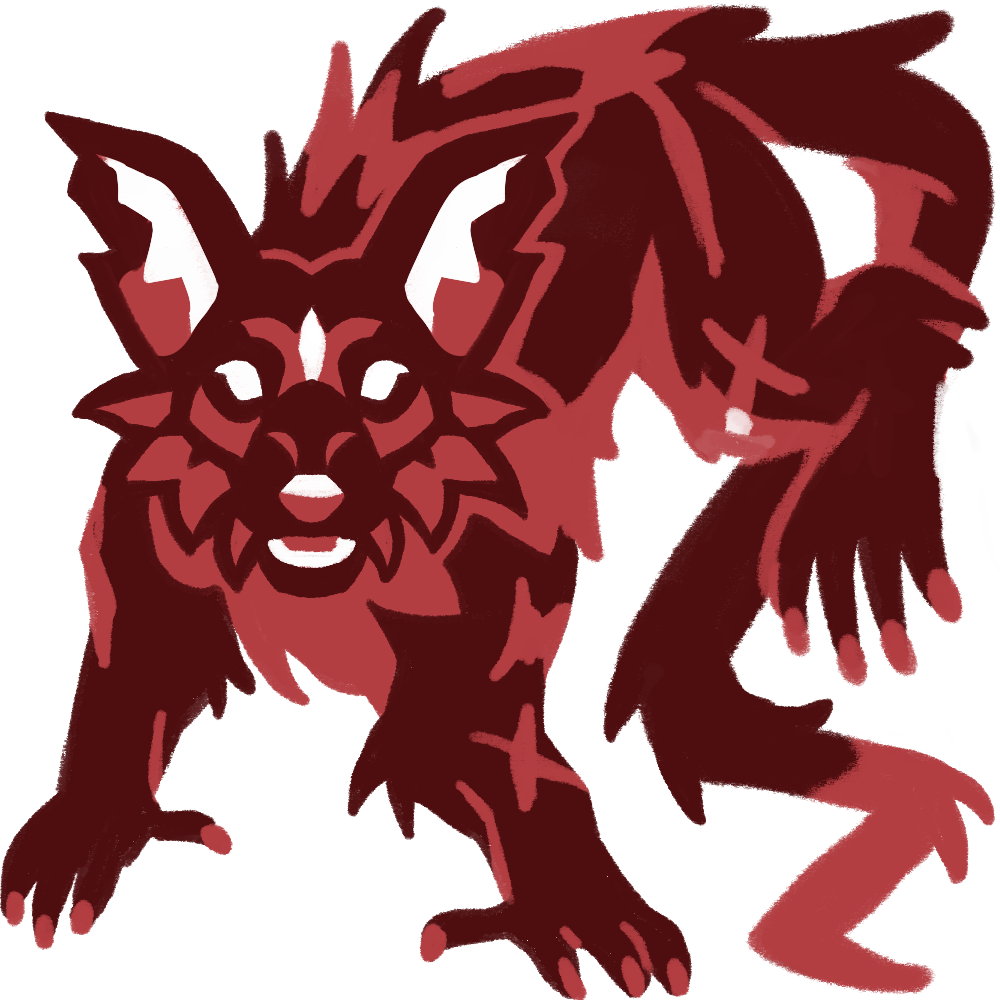
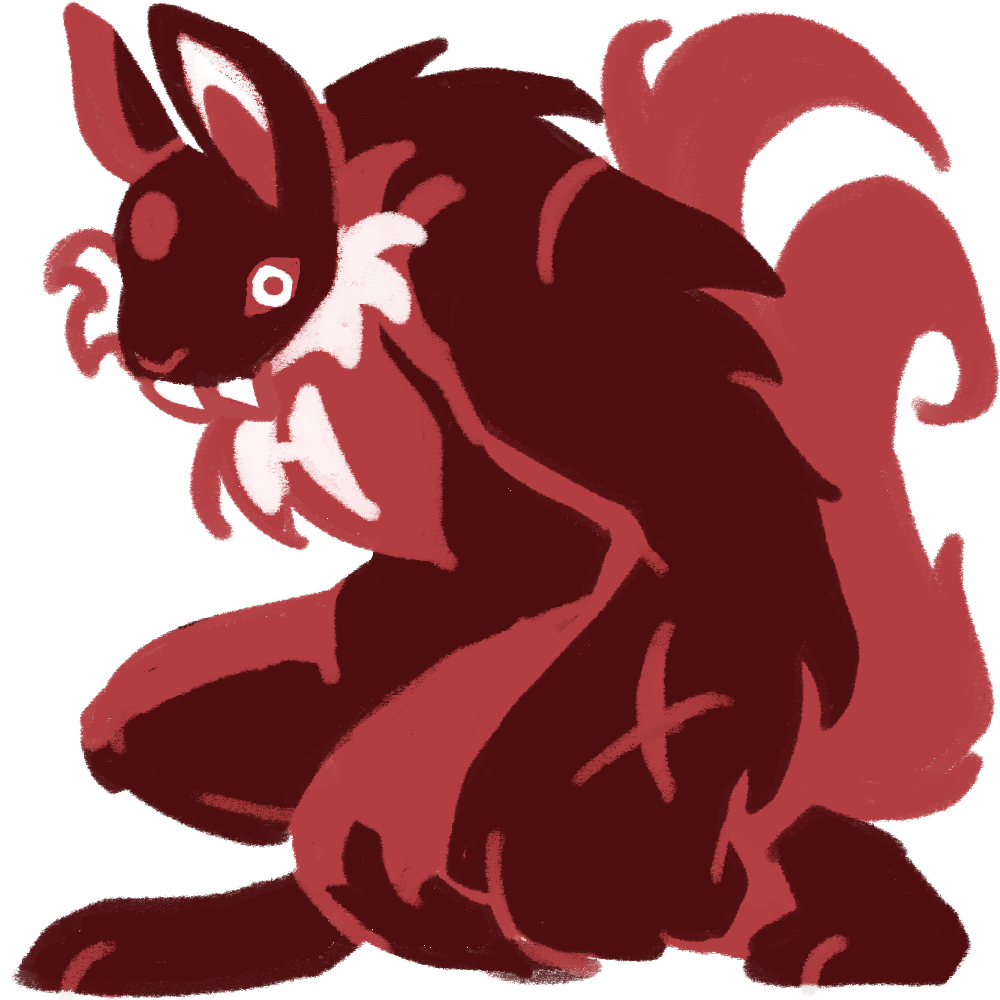
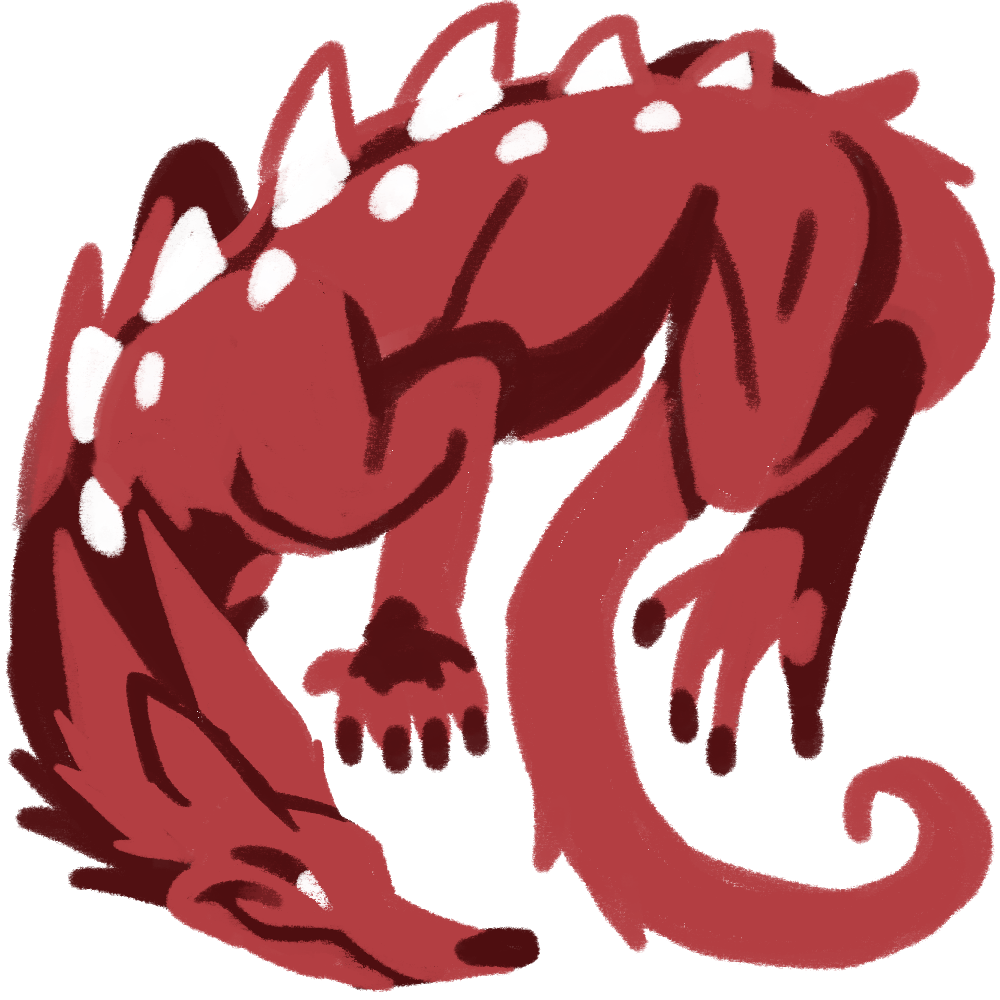
Lycanthropes are one of the main five kinds of Mythicals/Fels. Lycanthropes exist nomadically and independently, usually on the westernmost continent of the world. Unlike other Mythicals, they do not have a known central territory. Lycanthropes are reclusive and mysterious, therefore, little is known about them.
Lycanthropes are often hunted by dedicated ‘Lycan Hunters’. Lycanthropes are tracked and worn down for years, sometimes even generations. Many Lycanthropes have been given their own distinct names by Earthlings, and have been mythologized throughout history as gods of destruction.
DEFINITION
Lycanthropes can be any species an Earthling can— the difference between Earthlings and Lycanthropes is that Lycanthropes are much larger, and have a more ‘beastly’ appearance. Some stand on two-legs, others resemble feral animals more than they do Earthlings.
Size and Lifespan for MYTHICALS:
- Adult Min. Weight: 250 kg / 550 lbs
- Adult Max. Weight: 2,000 kg / 4,400 lbs
- Adult Min. Height: 150 cm / 4’11”ft (from the shoulder)
- Adult Max. Height: 3 m / 9’10”ft (from the shoulder)
- Lifespan Maximum: 350 years (270 years is average)
BEAST FORM Size for FELS:
- Adult Min. Weight: 100 kg / 220 lbs
- Adult Max. Weight: 750 kg / 1,600 lbs
- Adult Min. Height: 125cm / 4’1” ft (from the shoulder)
- Adult Max. Height: 2 m / 6’6” ft (from the shoulder)
Features Lycanthropes can have:
- Tusks, long fangs, large teeth, large claws, spikes, and horns.
- A small, third eye on their forehead that can detect light. Sometimes it looks like a gem. These third eyes do not typically work like normal eyes. They can look like a normal eye, but are smaller and do not move.
- Eyes with a perpetual glow, with a very strong, vibrant colour.
- Small, functionless wings.
- Exaggerated body-plans (e.g. being very muscular, having a longer neck or tail, having really long limbs, etc.)
- Receding fur, no fur, or thinning fur.
- Extremely dense fur.
- Can be bipedal, quadrupedal, or something in between. They tend to be hunched over with more animal-like proportions when bipedal.
- Up to three tails, or a tail with a split in the middle.
INCLUSIONS
A few different body plans described under the Lycanthrope umbrella. These are not considered to be Aberrants, and are simply different variants of Lycanthropes.
- WERE-ANIMAL: Sometimes Lycanthropes are identified by the animal they resemble. Examples would be Werewolves, Werecats, and Werebears.
- NEKOMATA: Usually cat-like, with two tails.
STAT PROFILE
Lycanthropes have their own unique strengths and weaknesses. Their average stat profile is outlined below.
CONHIGH TW: mention of injuries Lycanthropes are extremely durable, oftentimes surviving ‘lethal wounds’ inflicted by Earthlings. While not as durable as Unicorns, Lycanthropes are able to survive and heal off almost any serious wounds. They also appear to be resistant to poison, infection, blood loss, and the elements. Due to their struggle against Earthlings, many Lycanthropes have numerous battle scars. Some Lycanthropes even heal with weapons completely embedded in their flesh, completely unbothered. Many lose parts of their faces, limbs, and even chunks of their body, and continue to heal and remain as formidable foes.
Unlike Unicorns, Lycanthropes cannot regenerate limbs. They can, however, heal parts of damaged organs.
STREXCEPTIONAL Lycanthropes are very physically powerful— their strength is unmatched amongst Mythicals. Some wonder if there are any limits to their strength, as they have often been observed lifting massive objects like buildings, rocks, and even parts of mountains. Their striking force is so powerful that sometimes their claws burn red as they dig through rock and tear through solid steel. Their teeth are as tough as diamonds and can pierce even the strongest of armor.
MAGLOW Lycanthropes seem to avoid using magic, which is unusual for Mythicals. While there have been some recorded instances of Lycanthropes using other kinds of magic, they usually only have Alchemy, just like Earthlings. Lycanthropes seem to use Alchemy more than other Mythicals, carrying with them enchanted weapons that they use to ward off their foes.
DEXAVERAGE Lycanthropes have an average dexterity profile. While faster and more dexterous than Earthlings, Lycanthropes are not the speediest of Mythicals. A lot of their advantages lie in their stamina, and not in their speed. They can still run, climb, and jump in ways Earthlings cannot due to their sheer strength.
OTHER NOTES/TRIVIA
- Lycanthropes (on average), have the most physical strength of any Mythical.
- The population count of Lycanthropes is unknown. Some estimates are around 500 individuals, others are as low as 10.
- While other Mythicals can use Alchemy, Lycanthropes seem to be some of the few that show a consistent interest in using it. They tend to use either Dragon or Lycanthrope parts in their Alchemy, likely taking Lycanthrope parts from their fallen brethren. Some theorize that using the parts of their fallen comrades in Alchemy is a Lycanthrope’s way of honoring their dead.
- Lycanthropes do not have a central city or territory like other Mythicals. All known Lycanthropes are nomadic, or occupy their own large territories alone. Their territories do not seem to overlap.
- Lycanthropes seem to be more active under the full moon.
- Lycanthrope Fels may also react to the full moon— some side effects are finding it more difficult to remain untransformed, experiencing mood-swings, feeling a connection to the moon, or even feeling more powerful. The effect of the full moon differs from individual to individual.
SEAMONSTERS
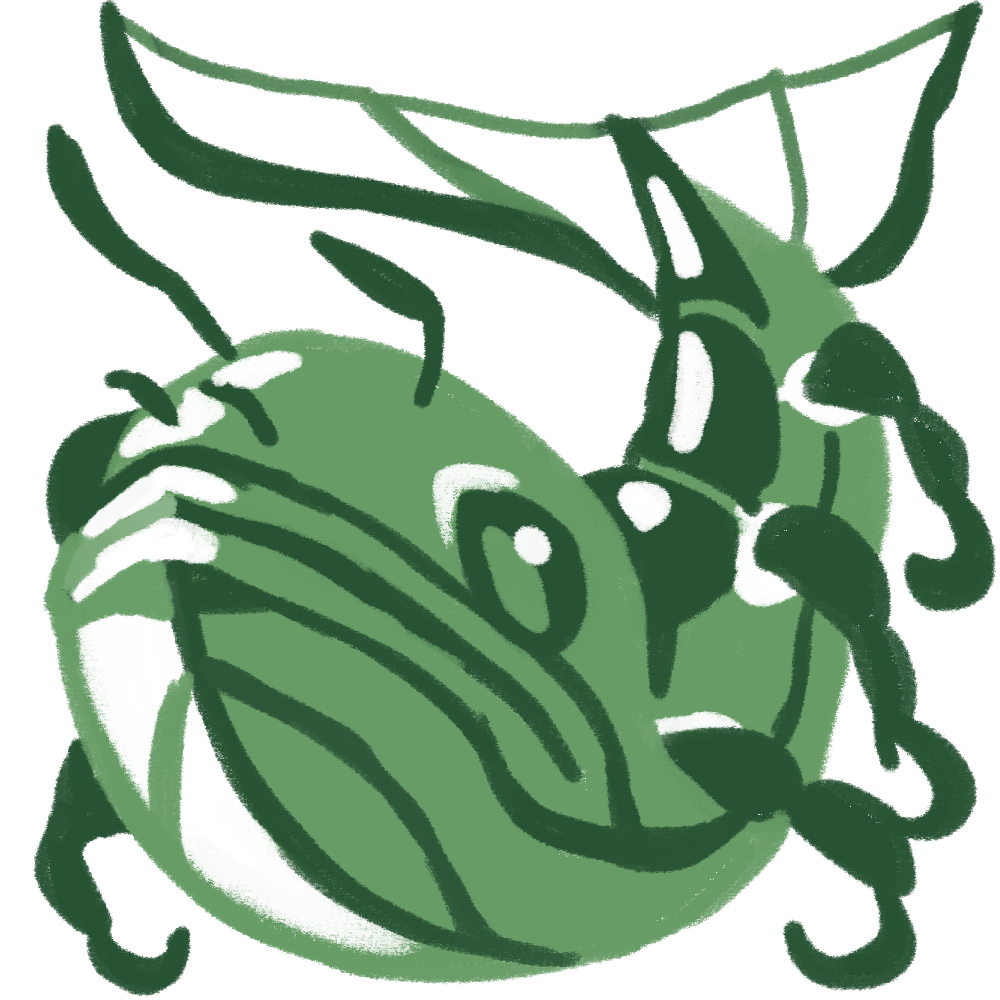
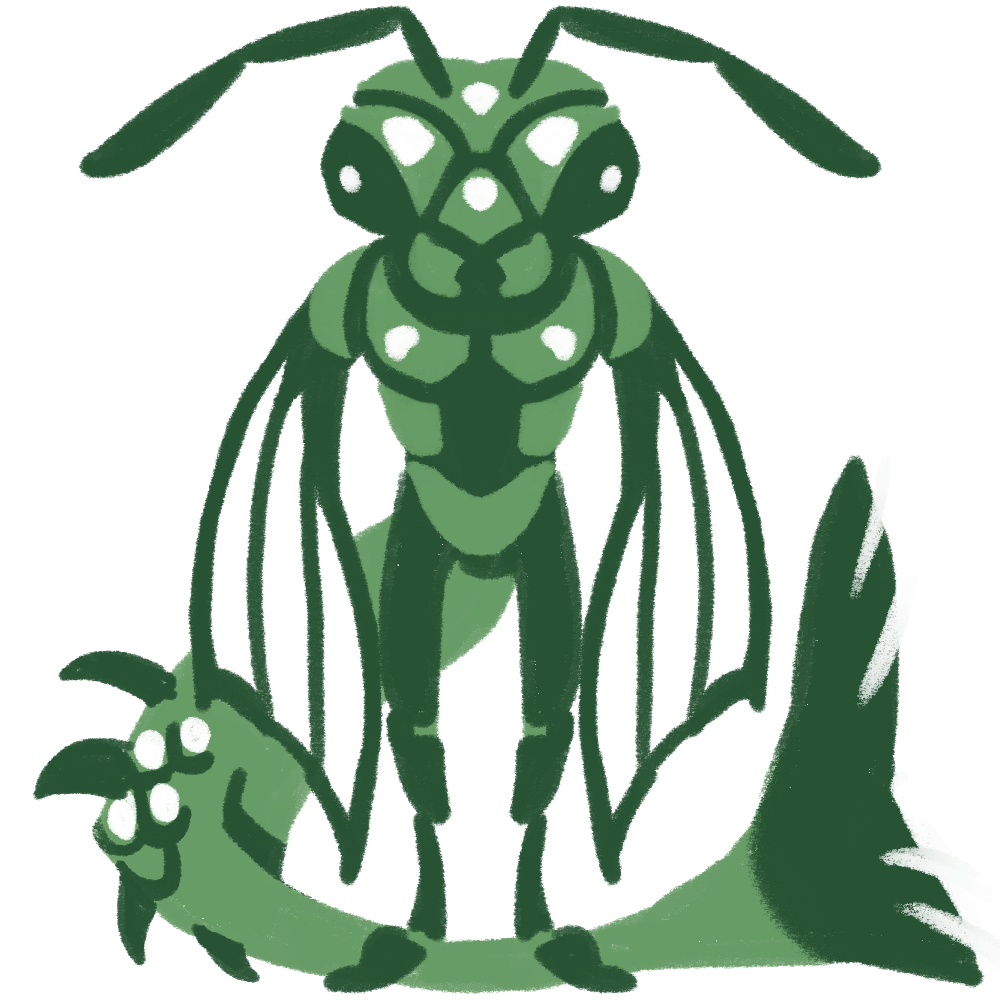
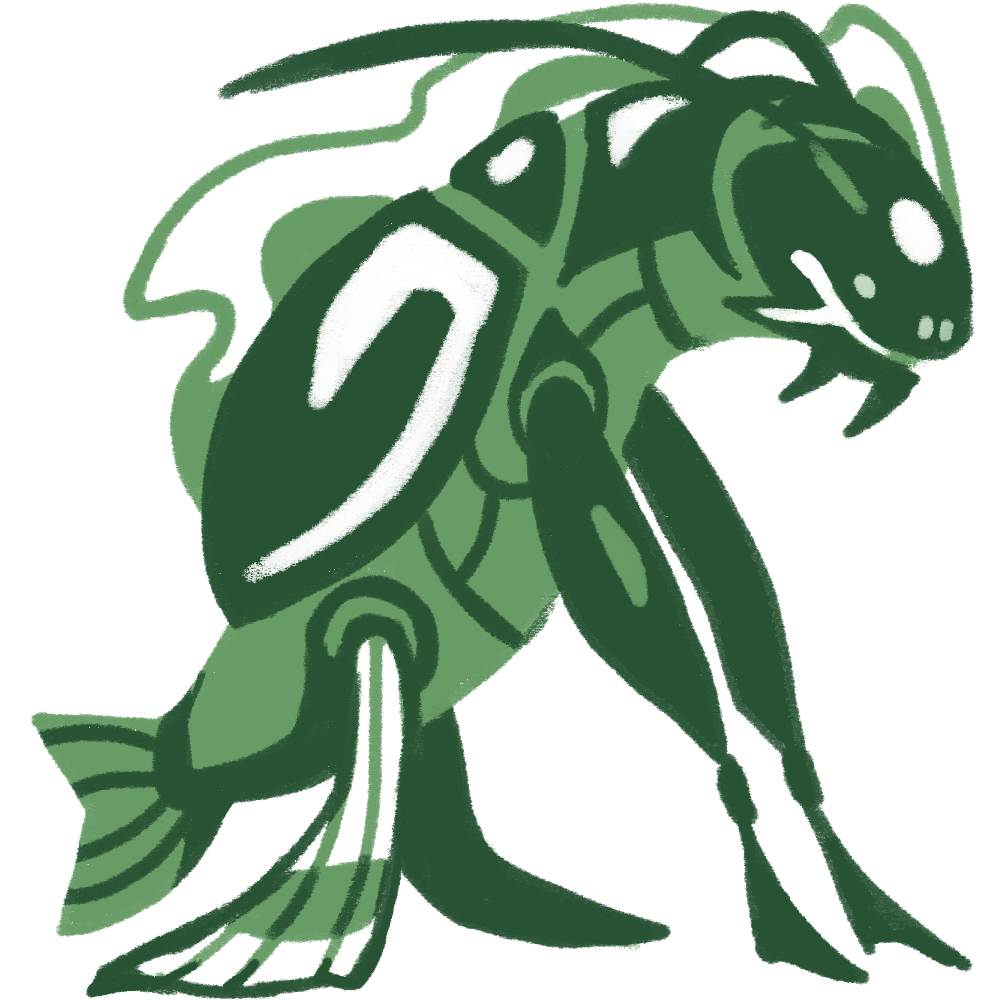
Seamonsters are one of the main five kinds of Mythicals/Fels. Seamonsters live predominantly in oceans, but can also be found in lakes and deltas. They are rarely found in rivers or river-systems.
Unlike other Mythicals, Seamonsters do not appear to be fully sentient. Not much is known about their intelligence or ability to process/retain information. They do not visibly communicate, form any kind of social structures, or readily react to stimuli. Seamonsters are unpredictable and often sporadic in their behaviour.
DEFINITION
Seamonsters have a diverse body-plan. Some are bipedal, having Earthling-like bodies with fish and/or insectoid features. Others are simply large fish and/or insect-like monsters.
Size and Lifespan:
- Seamonsters can weigh anywhere between 30kg and 50,000kg.
- Seamonsters can be anywhere between 1m and 10m tall (from the shoulder).
- The average lifespan of Seamonsters is unknown. Some tracked individuals have been estimated to be around 100 years old.
Features Seamonsters can have:
- Any fish-like features, such as fins, functional gills, fish-like eyes, fish tails, and scales. The category of ‘fish’ includes the typical animals known to be fish, but it also includes sharks, squids, mollusks, and crustaceans.
- Any insect-like features, such as insect wings, bug-like eyes, mandibles, exoskeletons, multiple legs/arms, and antennae. The category ‘insects’ includes all arthropods.
- Anthro-like bodies, but with faces that resemble insects/fish.
- Claws, horns, and/or spikes.
STAT PROFILE
The stat profile of Seamonsters often pairs extreme highs with extreme lows. Seamonsters can be extremely fast, but may also be very weak and frail. They may be able to withstand almost any attack, but also move incredibly slowly. Identifying a Seamonster’s strengths and weaknesses will aid one in deciding how to approach them.
CONVARIES Seamonsters can be as frail as real insects, or almost impossible to damage. Visual appearance is not always an indicator of a Seamonster’s constitution.
STRVARIES Seamonsters can be either as weak as a small animal, or immensely powerful. Powerful Seamonsters are able to take large chunks out of the landscape with a small swipe of their appendages.
MAGNONE Seamonsters have never been observed using magic.
DEXVARIES Seamonsters can be as slow as snails, or faster than the eye can see. Fast individuals can move so quickly that it almost looks as if they are teleporting.
OTHER NOTES/TRIVIA
- While some Seamonsters have usable legs, they do not seem to stray far from bodies of water if they are ever encountered on land.
- While Seamonster Aberrant Mythicals have never been observed or documented, Seamonster Aberrant Fels are rather common. A unique trait that Seamonster Aberrant Fels have is that Mythical Seamonsters will completely ignore them. This allows them to be the only beings in existence (besides feral animals) that can safely traverse bodies of water without having to worry about Seamonster attacks.
- Seamonster Aberrant Fels can sometimes breathe underwater or hold their breath for extended periods of time.
- Seamonsters can almost be thought of as weird biological robots with erratic programming. They do not seem to think or feel. They sometimes exhibit behaviour that could be considered curiosity, but it’s hard to know for sure.
- Some extra supplemental reading: Dangers of Water
ABBERRANTS
Aberrants are hybrids between two different kinds of Mythical. They have always been rare, but seem more common in the current day. Because of their rarity, not much is known about their behavioural trends.
Aberrants may live in one of their parent’s territories, or exist alone in their own designated territory. It is more likely for Aberrants to live alone, although some have been observed to live in pairs or small groups.
Aberrants may have behaviour that is more in line with Mythicals, but they tend to be more aligned with Earthlings and their way of thinking due to their unique circumstances. Despite this, Aberrants often treat Earthlings the same as Mythicals do, and are not likely to be friendly. Some are even outright hostile, which is uncommon for unprovoked Mythicals.
DEFINITION
Aberrants can inherit traits from either of their parent species! When designing an Aberrant, you can simply refer to the specifications given for their parent species and combine them however you like. Some Aberrants have unique traits due to the way that their traits combine— these will be listed below, along with any potential restrictions certain Aberrants may have.
Images provided are examples only. The way you design an Aberrant does not need to fully resemble the example image.
REGULAR ABERRANTS
Regular Aberrants are Aberrants that do not have any Seamonster traits!
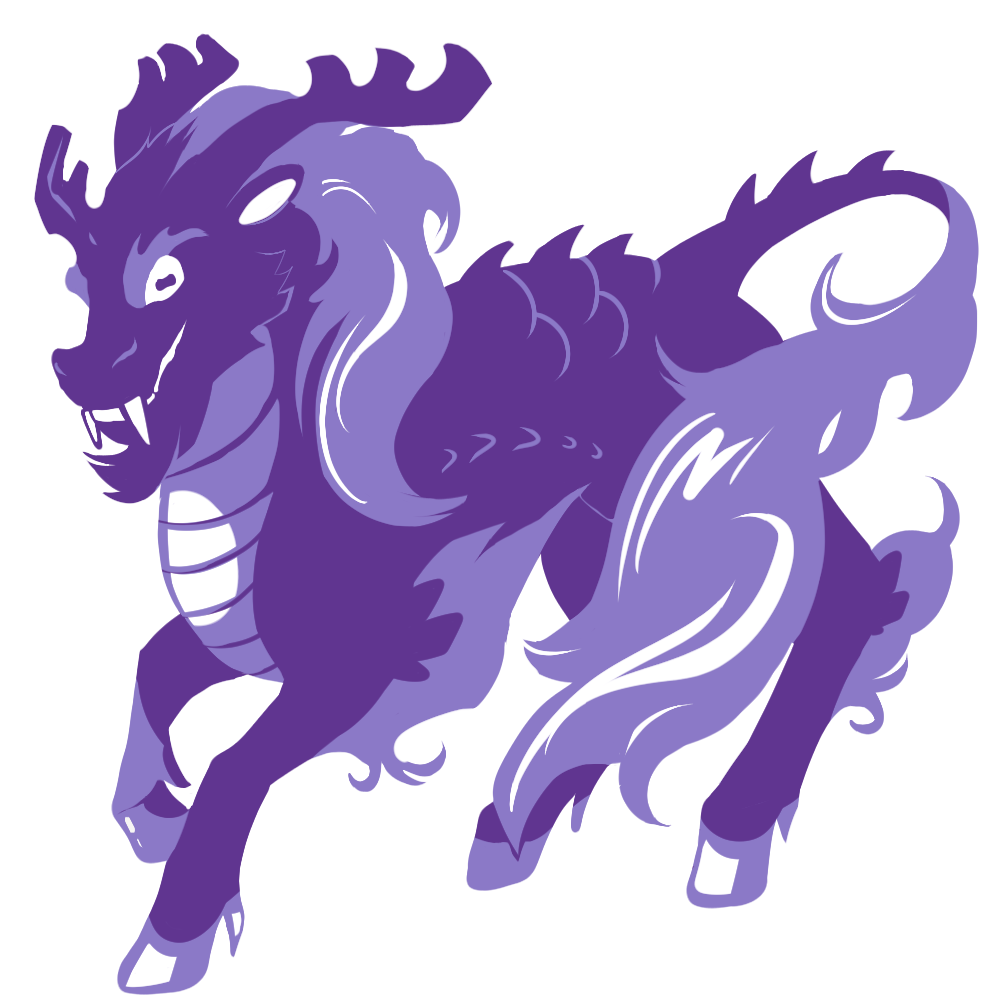
KIRINS
Features Kirins Can Have:
- A scaled or partially scaled body.
- A longer, dragon-like tail.
- Kirins can have a more Dragon-like body-plan. These are sometimes referred to as Magic Dragons.
- Antlers instead of a single horn/horns. Antlers can be accompanied by a central horn.
- A horn with an interesting shape or prongs, resembling a single Dragon horn.
- Long fluff or fur, but typically not throughout their whole body. Tufts can be found on legs, chin, cheeks, tail, or mane.
Size and Lifespan for MYTHICALS:
- Adult Min. Wt.: 500 kg / 1,100 lbs
- Adult Max. Wt.: 10,000 kg / 22,000 lbs
- Adult Min. Ht.: 150 cm / 4’11”ft (from shoulder)
- Adult Max. Ht.: 3 m / 9’10”ft (from shoulder)
- Lifespan Max.: 380 years (320 years is avg.)
BEAST FORM Size for FELS:
- Adult Min. Wt.: 110 kg / 240 lbs
- Adult Max. Wt.: 800 kg / 1,700 lbs
- Adult Min. Ht.: 90 cm / 2’11” ft (from shoulder)
- Adult Max. Ht.: 175 cm / 5’9” ft (from shoulder)
HIPPOGRIFFS
Features Hippogriffs Can Have:
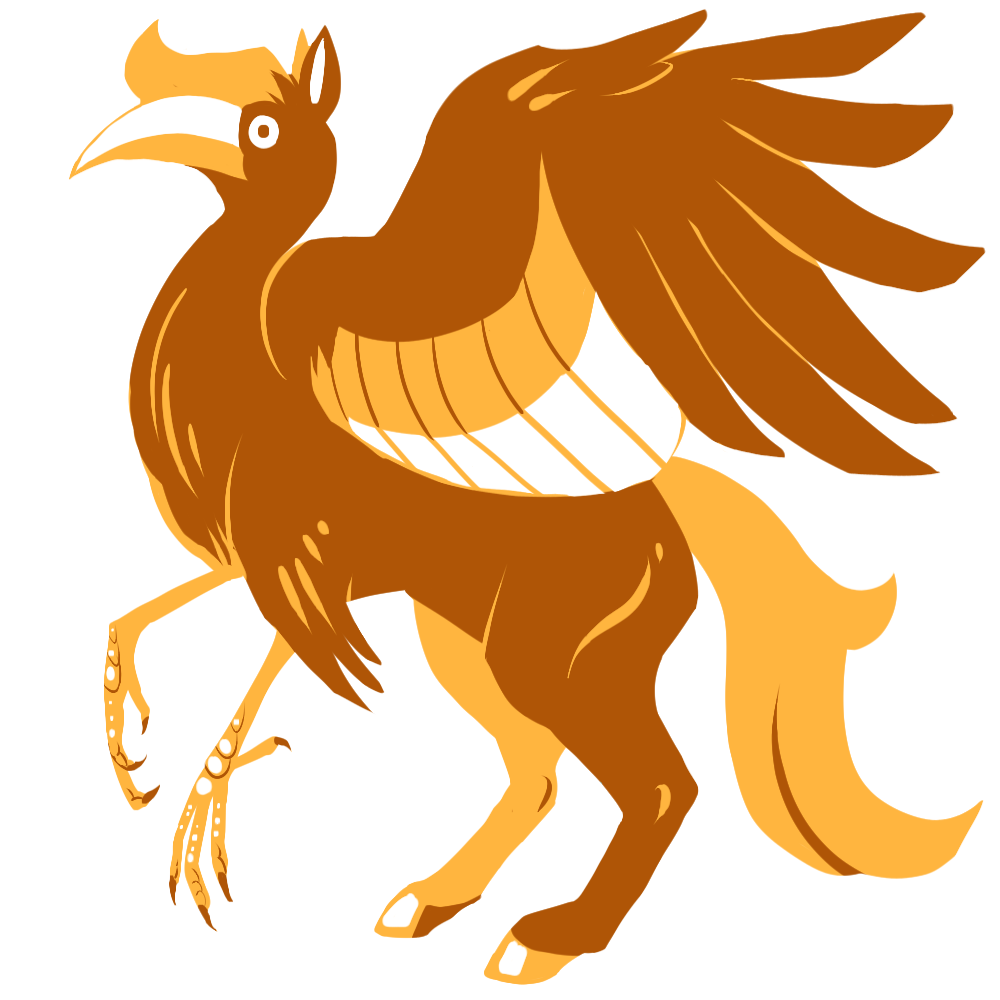
- A horse-like body plan but with feathers instead of fur.
- A combination of hooved feet, bird feet, and/or lion-like feet.
- A bird head or a horse head, or a combination of both.
- Feathered manes and/or tails.
Size and Lifespan for MYTHICALS:
- Adult Min. Wt.: 125 kg / 275 lbs
- Adult Max. Wt.: 1,250 kg / 2,700 lbs
- Adult Min. Ht.: 90 cm / 2’11”ft (from shoulder)
- Adult Max. Ht.: 2 m / 6’6”ft (from the shoulder)
- Lifespan Max.: 350 years (300 years is avg.)
BEAST FORM Size for FELS:
- Adult Min. Wt.: 45 kg / 100 lbs
- Adult Max. Wt.: 625 kg / 1400 lbs
- Adult Min. Ht.: 80 cm / 2’7” ft (from shoulder)
- Adult Max. Ht.: 140 cm / 4’7” ft (from shoulder)
NIGHTMARES
Features Nightmares Can Have:
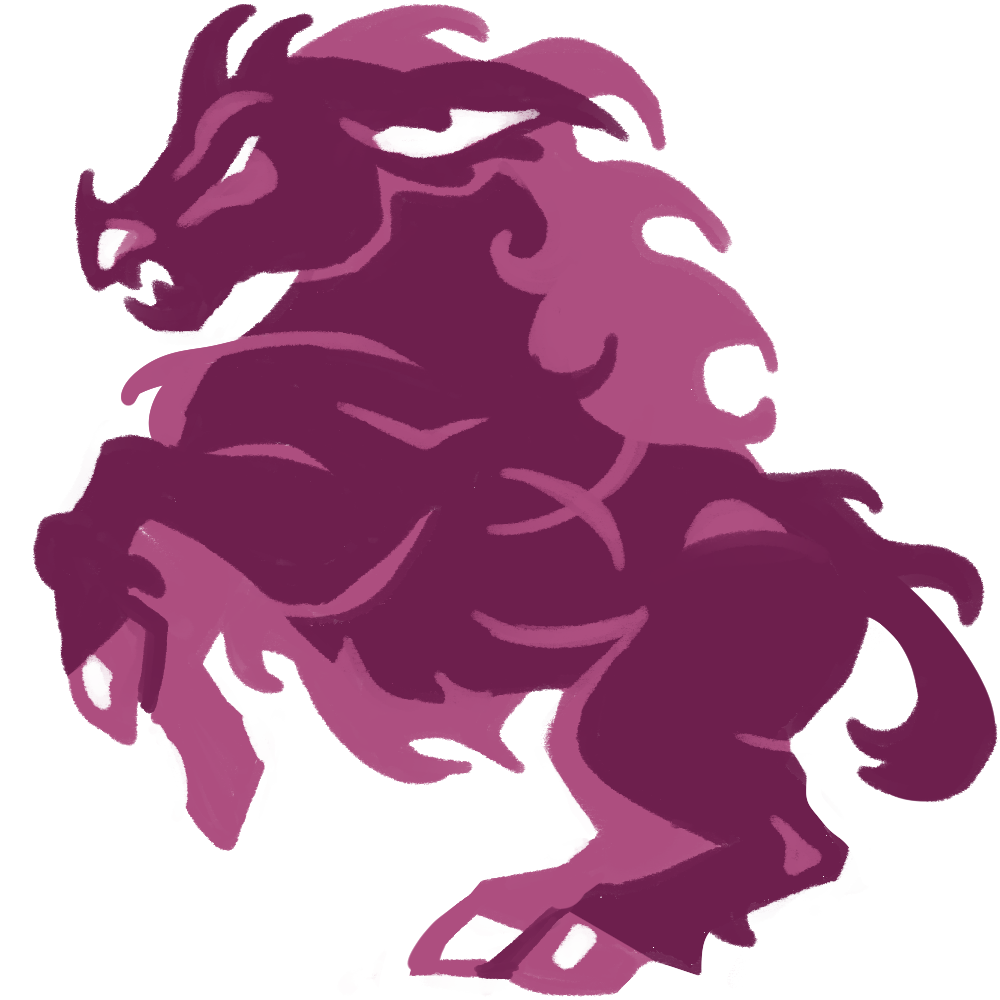
- A horse-like body plan but with a lot more fur and bulkier proportions (similar to a draft horse).
- A more carnivore-like body plan but with a horse’s face.
- A horse-like body plan with spikes, built in armour, and/or fangs.
- Bull-like traits and/or horns. Ram and/or goat horns are also common.
Size and Lifespan for MYTHICALS:
- Adult Min. Wt.: 150 kg / 330 lbs
- Adult Max. Wt.: 1,500 kg / 3,300 lbs
- Adult Min. Ht.: 120 cm / 3’11”ft (from shoulder)
- Adult Max. Ht.: 240 cm / 7’10”ft (from shoulder)
- Lifespan Max.: 425 years (390 years avg)
BEAST FORM Size for FELS:
- Adult Min. Wt.: 65 kg / 140 lbs
- Adult Max. Wt.: 675 kg / 1,500 lbs
- Adult Min. Ht.: 1 m / 3’3” ft (from shoulder)
- Adult Max. Ht.: 160 cm / 5’3” ft (from shoulder)
COCKATRICE
Features Cockatrice Can Have:
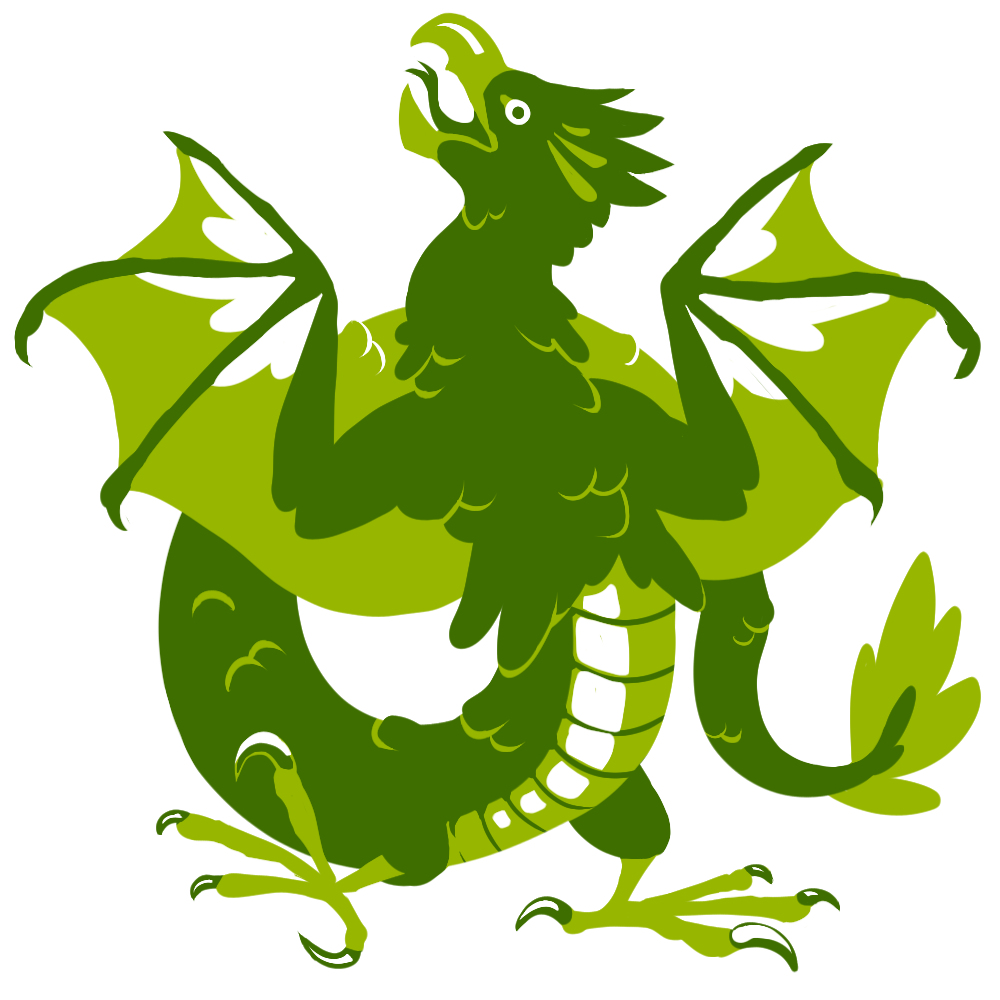
- A bird-like body plan with a dragon-like tail and other reptilian features.
- Body-plans based on large feathered dinosaurs.
- A Quetzalcoatl-like body plan (sometimes simply referred to as Quetzals).
- Faces that are a blend between a bird and reptile.
- Feathered frills.
- Wings that are either feathered, webbed, or a combination of both.
- Can present with the appearance similar to Pterosaurs.
Size and Lifespan for MYTHICALS:
- Adult Min. Wt.: 1,500 kg / 3,300 lbs
- Adult Max. Wt.: 30,000 kg / 66,000 lbs
- Adult Min. Ht.: 150 cm / 4’11”ft (from shoulder)
- Adult Max. Ht.: 5 m / 16’5”ft (from shoulder)
- Lifespan Max.: 160 years (120 years avg)
BEAST FORM Size for FELS:
- Adult Min. Wt.: 130 kg / 290 lbs
- Adult Max. Wt.: 850 kg / 1,900 lbs
- Adult Min. Ht.: 110 cm / 3’7” ft (from shoulder)
- Adult Max. Ht.: 190 cm / 6’3” ft (from shoulder)
BASILISKS
Features Basilisks Can Have:
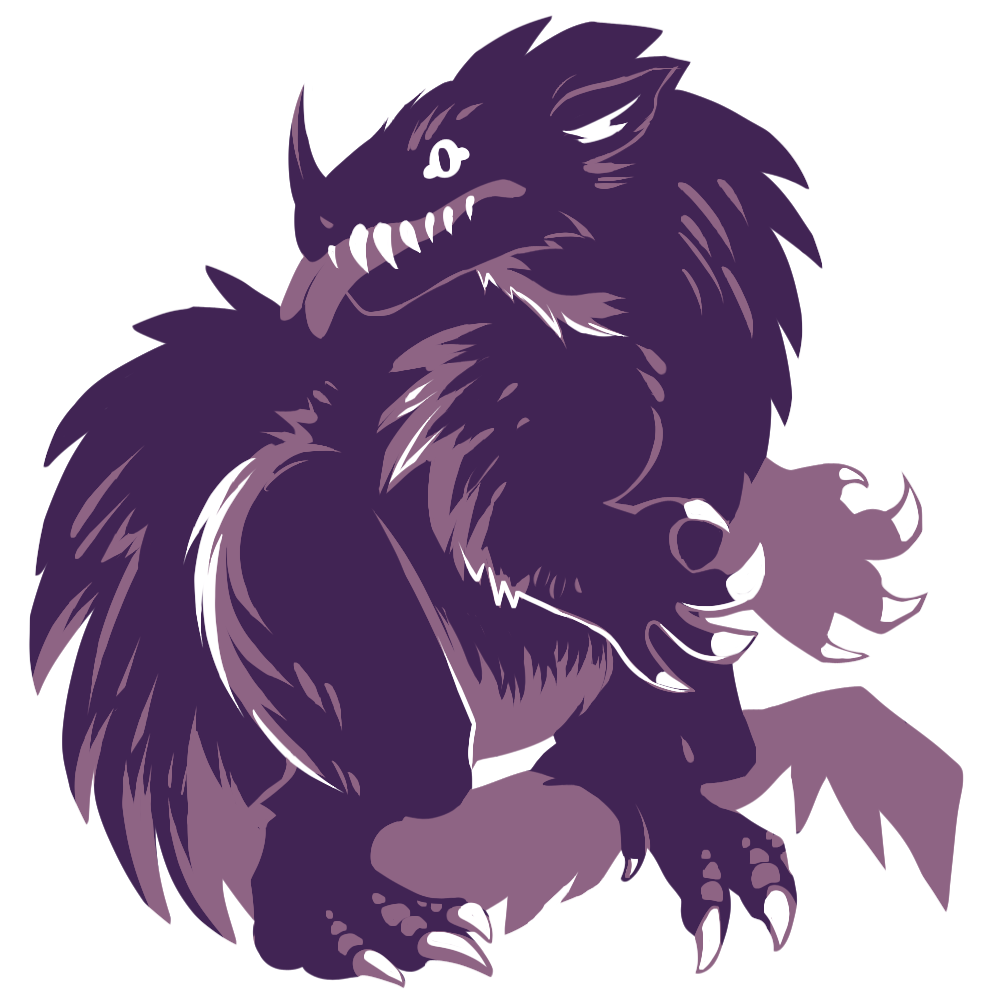
- A fully furred body, but with the body-plan of a dragon (can be your typical ‘fluffy dragon’).
- A mammalian body-plan but with scales and dragon-like features.
- Can present as a ‘were-dragon’, being predominantly bipedal with long limbs.
- Sometimes a long and snake-like body with small limbs.
Size and Lifespan for MYTHICALS:
- Adult Min. Wt.: 2,700 kg / 6,000 lbs
- Adult Max. Wt.: 30,000 kg / 66,000 lbs
- Adult Min. Ht.: 225 cm / 7’5”ft (from shoulder)
- Adult Max. Ht.: 5 m / 16’5”ft (from shoulder)
- Lifespan Max.: 240 years (200 years avg)
BEAST FORM Size for FELS:
- Adult Min. Wt.: 150 kg / 330 lbs
- Adult Max. Wt.: 875 kg / 1,900 lbs
- Adult Min. Ht.: 125 cm / 4’1” ft (from shoulder)
- Adult Max. Ht.: 210 cm / 6’10” ft (from shoulder)
PHOENIXES
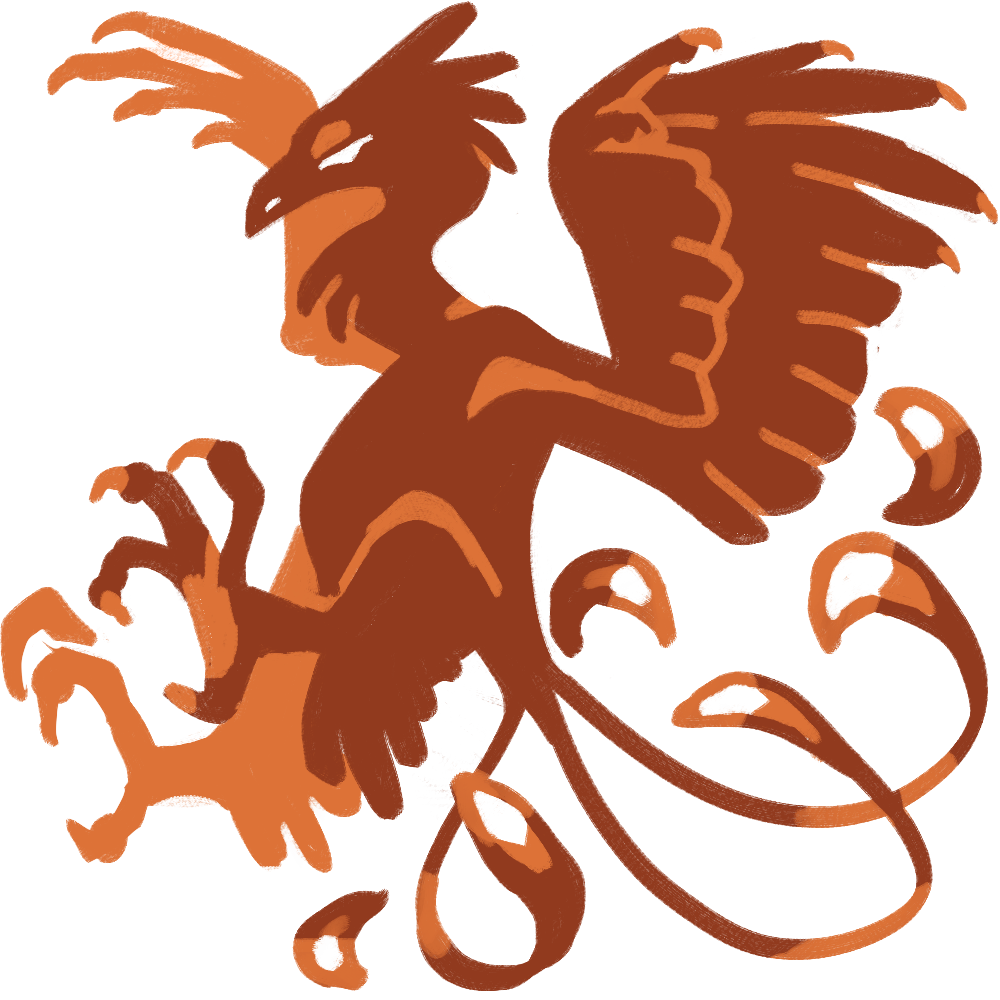
Features Phoenixes Can Have:
- A full bird-like body plan, being much larger and more beastly than normal birds.
- Clawed wings, similar to proto-birds/prehistoric birds.
- A Lycanthrope body-plan, but with feathers and/or functional wings.
- Sometimes referred to as Sphinxes when the body-plan is more lion-like and adapts a Griffin’s ‘off’ looking lion face.
Size and Lifespan for MYTHICALS (not fully known IC):
- Adult Min. Wt.: 225 kg / 500 lbs
- Adult Max. Wt.: 1,750 kg / 3,800 lbs
- Adult Min. Ht.: 125 m / 4’1”ft (from shoulder)
- Adult Max. Ht.: 260 cm / 8’6”ft (from shoulder)
- Lifespan Max.: 275 years (240 years avg)
BEAST FORM Size for FELS:
- Adult Min. Wt.: 80 kg / 180 lbs
- Adult Max. Wt.: 700 kg / 1500 lbs
- Adult Min. Ht.: 1 m / 3’3” ft (from shoulder)
- Adult Max. Ht.: 175 cm / 5’9” ft (from shoulder)
SEAMONSTER ABERRANTS
Seamonster Aberrants are Aberrants that are half Seamonster. While common with Fels, no Seamonster Aberrants have been observed with Mythicals. They tend to have a more disproportionate stat profile.
LEVIATHANS
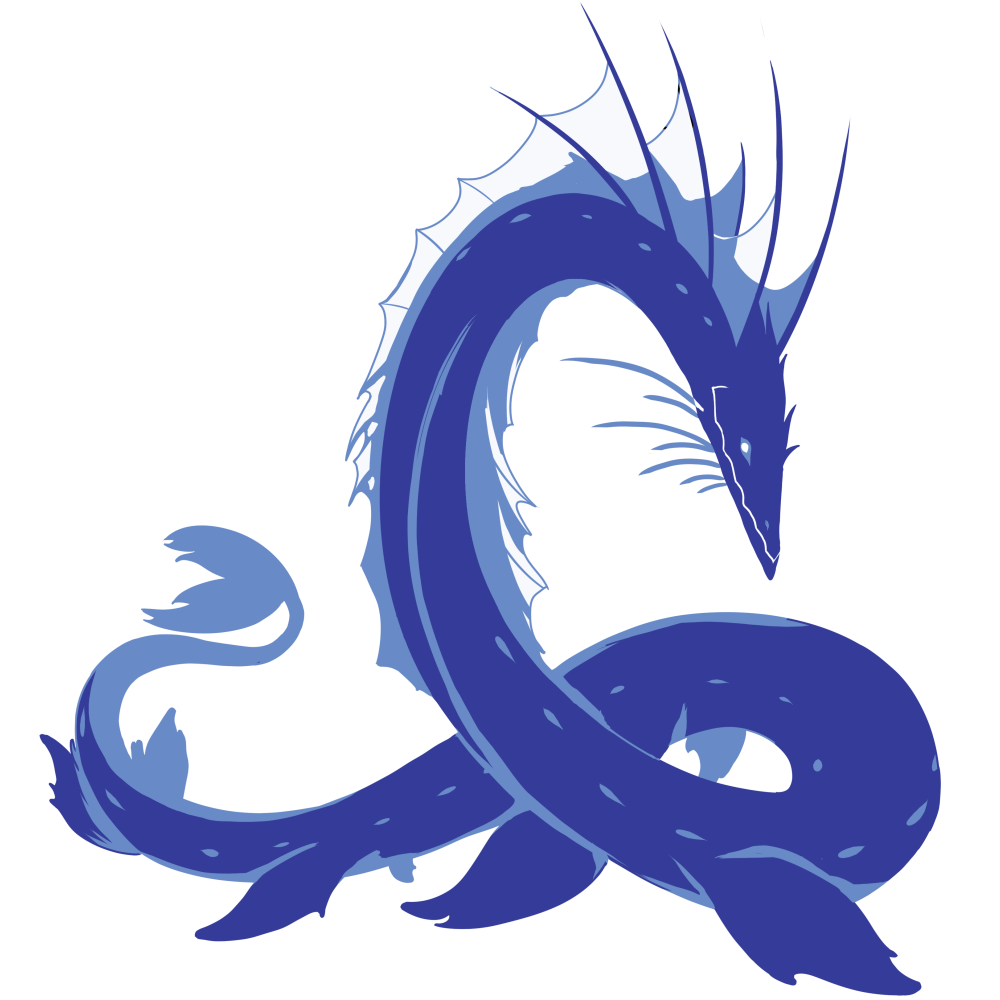
Features Leviathan Can Have:
- Aquatic reptile traits, such as a paddle tail, webbed feet, etc.
- Functional fins and gills.
- A long eel-like body plan.
- A lack of front and/or back limbs, or very small front/back limbs (fully shifted. In Between forms with limbs will always be available).
- Bioluminescence.
Size and Lifespan for MYTHICALS (not fully known IC):
- Adult Min. Wt.: 1,650 kg / 3,600 lbs
- Adult Max. Wt.: 16,500 kg / 36,000 lbs
- Adult Min. Ht.: 2 m / 6’6”ft (from shoulder)
- Adult Max. Ht.: 6 m / 19’8”ft (from shoulder)
- Lifespan Max.: 130 years (100 years avg.)
BEAST FORM Size for FELS:
- Adult Min. Wt.: 130 kg / 290 lbs
- Adult Max. Wt.: 600 kg / 1,300 lbs
- Adult Min. Ht.: 80 cm / 2’7” ft (from shoulder)
- Adult Max. Ht.: 150 cm / 4’11” ft (from shoulder)
HIPPOCAMPI
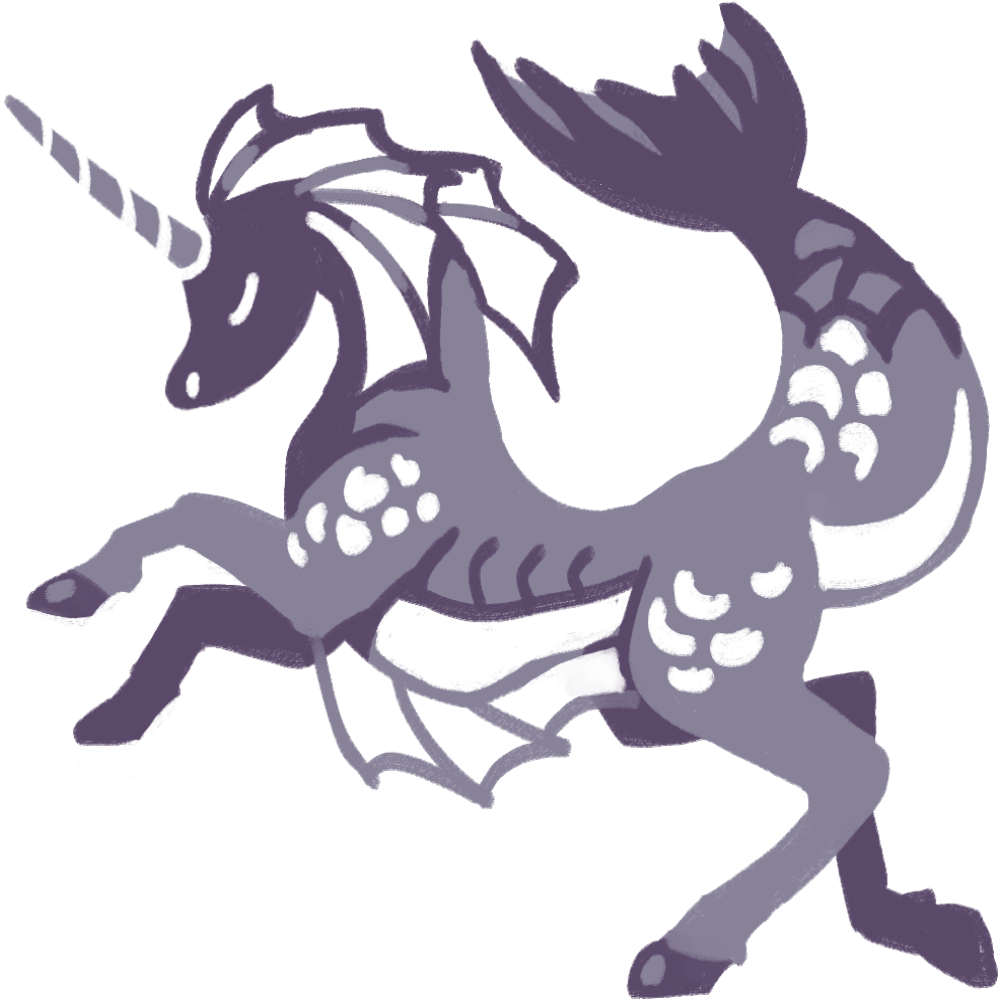
Features Hippocampi Can Have:
- A horse-like body plan with fish traits, such as gills, fins, and a fish tail.
- A lack of back legs with a fish tail instead (with the ability to shift to a legged form for walking on land).
- A horn resembling a narwhal’s tooth, or other fish or bug-like appendages.
- A face-shape that looks more fish-like.
- Glassy eyes that may resemble insect eyes (mantises, for example).
- Traits from seahorses.
Size and Lifespan for MYTHICALS (not fully known IC):
- Adult Min. Wt.: 200 kg / 440 lbs
- Adult Max. Wt.: 1,500 kg / 3,300 lbs
- Adult Min. Ht.: 1 m / 3’3”ft (from shoulder)
- Adult Max. Ht.: 225 cm / 7’4”ft (from the shoulder)
- Lifespan Max.: 450 years (400 years avg)
BEAST FORM Size for FELS:
- Adult Min. Wt.: 60 kg / 130 lbs
- Adult Max. Wt.: 650 kg / 1,400 lbs
- Adult Min. Ht.: 90 cm / 2’11”ft (from shoulder)
- Adult Max. Ht.: 150 cm / 4’11”ft (from shoulder)
CHIMERAS
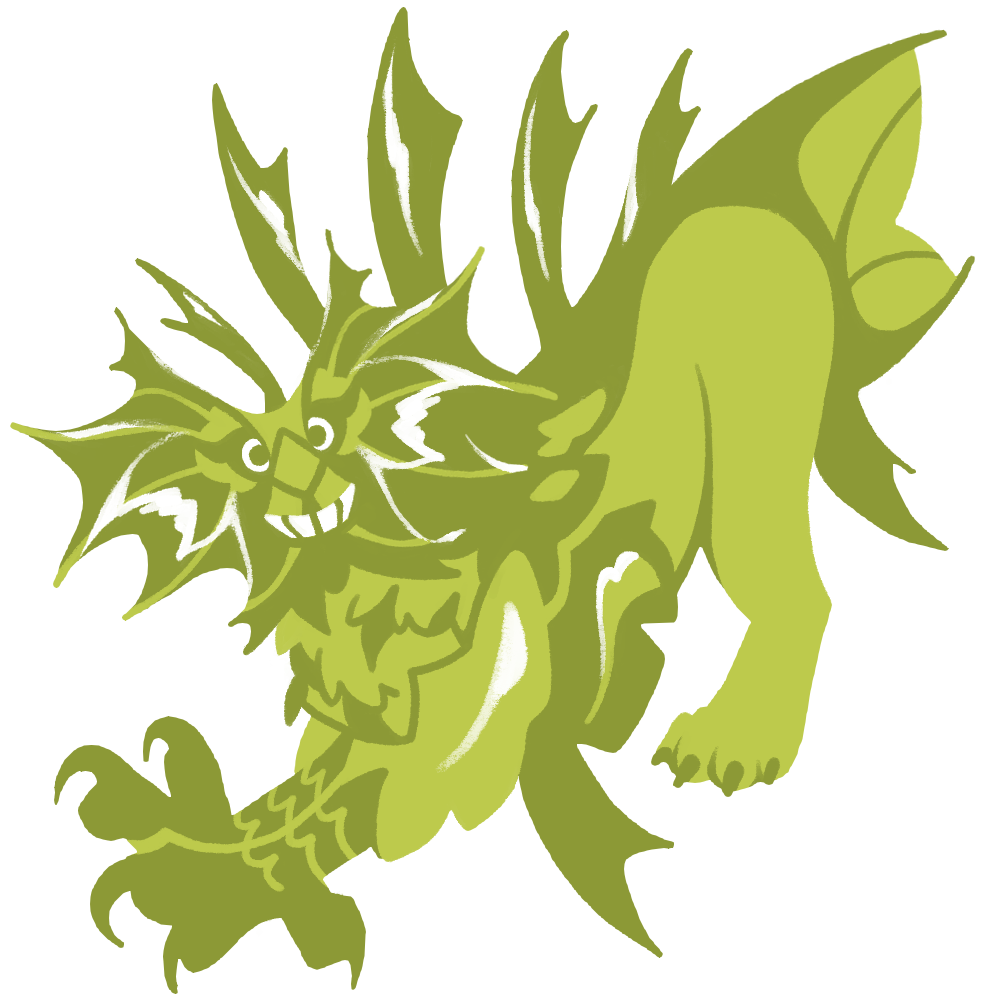
Features Chimeras Can Have:
- A combination of scales, fish-like traits, some lion-like traits and bird-like traits.
- Can feel like creature that seems to be made up of many different creatures.
- Silvally from Pokemon is a fun little example of potential vibes.
- While Chimeras can have many traits, it's important to note that they must still be traits drawn from only Griffins and Seamonsters (so they can't be horses, for example).
Size and Lifespan for MYTHICALS (not fully known IC):
- Adult Min. Wt.: 150 kg / 330 lbs
- Adult Max. Wt.: 1,500 kg / 3,300 lbs
- Adult Min. Ht.: 1 m / 3’3”ft (from shoulder)
- Adult Max. Ht.: 240 cm / 7’10”ft (from shoulder)
- Lifespan Max.: 150 years (120 years avg)
BEAST FORM Size for FELS:
- Adult Min. Wt.: 60 kg / 130 lbs
- Adult Max. Wt.: 650 kg / 1,400 lbs
- Adult Min. Ht.: 90 cm / 2’11”ft (from shoulder)
- Adult Max. Ht.: 150 cm / 4’11”ft (from shoulder)
DOBHAR'CHUS
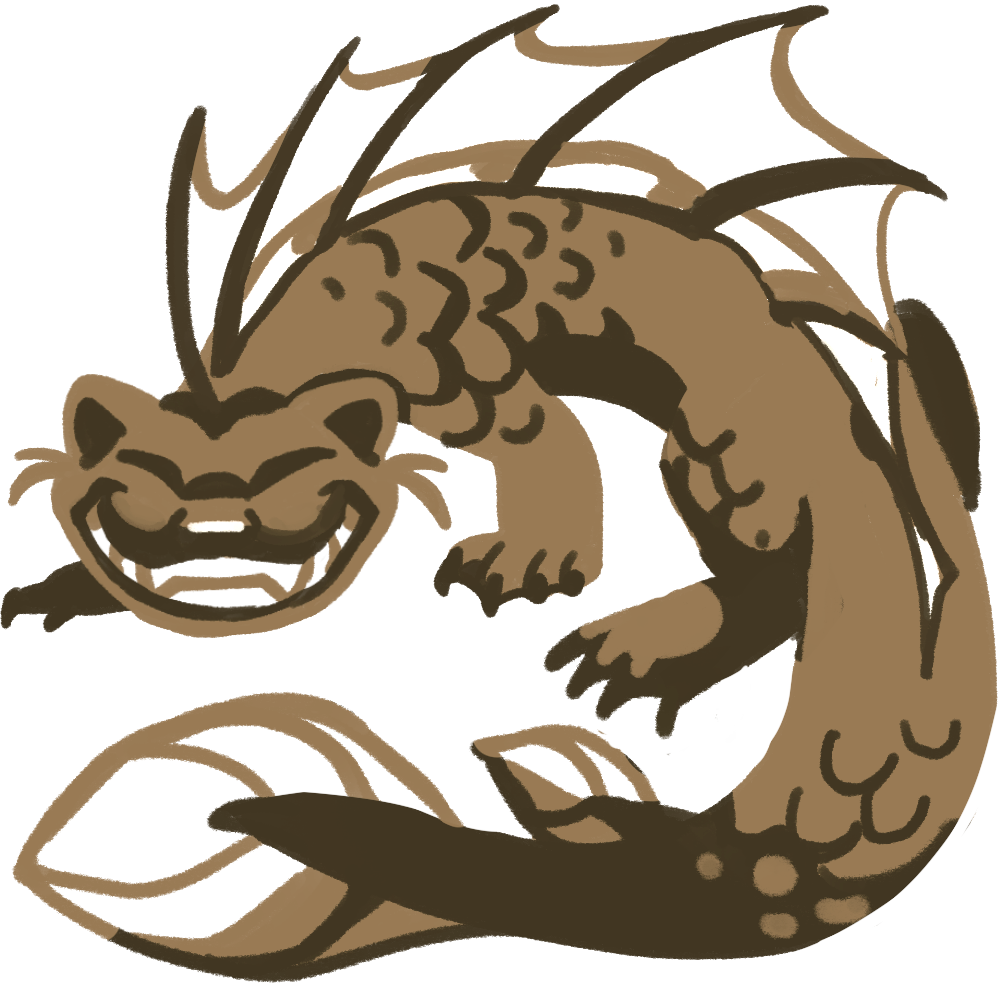
Features Dobhar'chus Can Have:
- Can take the appearance of an aquatic mammal, having webbed feet and a body more suited for traversal through water.
- Large and powerful fish-like or bug-like appendages.
Size and Lifespan for MYTHICALS (not fully known IC):
- Adult Min. Wt.: 200 kg / 440 lbs
- Adult Max. Wt.: 2,000 kg / 4,400 lbs
- Adult Min. Ht.: 120 cm / 3’11”ft (from shoulder)
- Adult Max. Ht.: 3 m / 9’10”ft (from shoulder)
- Lifespan Max.: 320 years (250 years is avg.)
BEAST FORM Size for FELS:
- Adult Min. Wt.: 60 kg / 130 lbs
- Adult Max. Wt.: 675 kg / 1,500 lbs
- Adult Min. Ht.: 85 cm / 2’9” ft (from shoulder)
- Adult Max. Ht.: 160 cm / 5’3” ft (from shoulder)